Manufacturing industries today demand unprecedented levels of precision and accuracy to meet stringent quality standards and competitive market requirements. Metal stamping has emerged as one of the most reliable and cost-effective manufacturing processes for producing high-precision components across various sectors including automotive, aerospace, electronics, and medical devices. This advanced manufacturing technique combines sophisticated tooling, controlled force application, and precise material forming to deliver consistently accurate results that traditional machining methods often struggle to achieve at comparable speeds and costs.
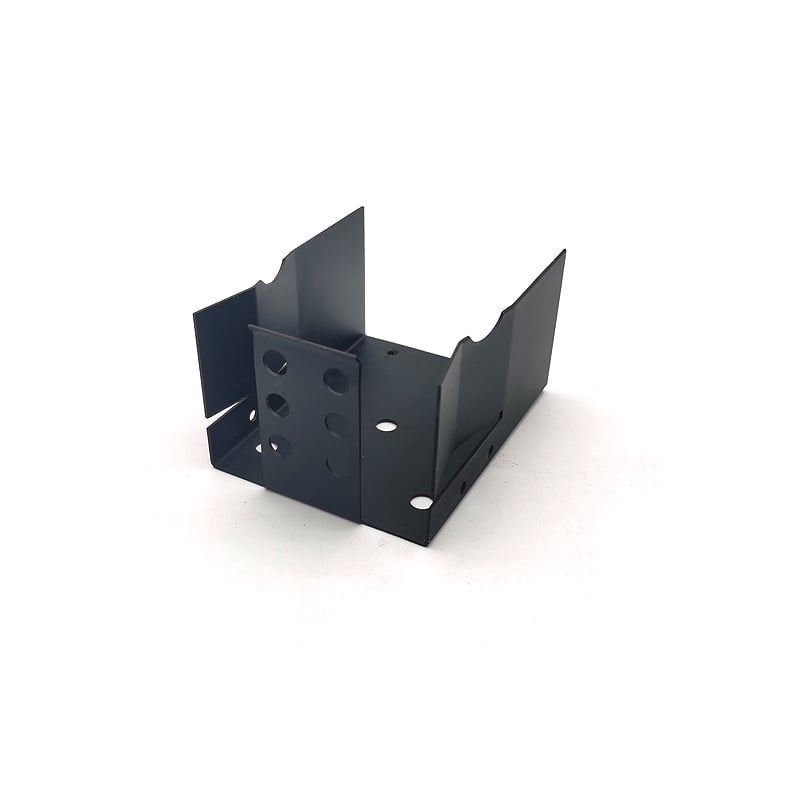
The precision capabilities of metal stamping stem from its fundamental approach to material transformation, where controlled pressure and specially designed dies create exact geometries repeatedly. Unlike traditional cutting or machining processes that remove material, metal stamping forms components through strategic deformation, maintaining material integrity while achieving tight dimensional tolerances. This process enables manufacturers to produce thousands or millions of identical parts with minimal variation, making it ideal for high-volume production scenarios where consistency is paramount.
The foundation of precision in metal stamping lies in meticulous die design and engineering. Modern stamping dies are created using advanced CAD software and precision machining techniques that ensure every surface, angle, and dimension meets exact specifications. These dies undergo rigorous testing and refinement processes to eliminate potential sources of variation before production begins. The precision of the final stamped parts is directly dependent on the accuracy of these tooling components, which can maintain tolerances as tight as ±0.001 inches when properly designed and manufactured.
Progressive die systems represent the pinnacle of stamping precision, featuring multiple stations that perform sequential operations on the workpiece as it advances through the press. Each station is precisely aligned and calibrated to ensure that cumulative tolerances remain within acceptable limits. The engineering behind these systems requires extensive knowledge of material behavior, stress distribution, and thermal effects to predict and control how the metal will respond during the forming process.
Achieving consistent precision in metal stamping requires thorough understanding and control of material properties throughout the production process. Material thickness variations, hardness fluctuations, and grain structure inconsistencies can all impact the final dimensional accuracy of stamped parts. Quality metal stamping operations implement comprehensive material inspection protocols that verify thickness tolerances, mechanical properties, and surface conditions before processing begins.
Temperature control during the stamping process also plays a crucial role in maintaining precision. As dies and workpieces heat up during high-speed production, thermal expansion can affect dimensional accuracy. Advanced stamping facilities employ cooling systems and temperature monitoring to maintain stable operating conditions that preserve the precision relationships between dies and workpieces throughout extended production runs.
Modern servo-driven press systems have revolutionized the precision capabilities of metal stamping operations by providing unprecedented control over the forming process. These systems can precisely control slide position, velocity, and force throughout the entire stroke cycle, enabling complex forming operations that were previously impossible with traditional mechanical presses. The programmable nature of servo presses allows for real-time adjustments to accommodate material variations and maintain consistent part quality.
The enhanced control offered by servo technology enables stamping operations to optimize their processes for specific materials and part geometries. By precisely controlling the forming speed and dwell times, manufacturers can minimize springback effects, reduce material stress, and achieve more predictable dimensional outcomes. This level of control is particularly valuable when working with advanced high-strength materials that exhibit complex forming behaviors.
Integration of advanced monitoring systems has transformed how metal stamping operations maintain precision and accuracy. These systems continuously monitor critical parameters such as press tonnage, slide position, die temperature, and part dimensions to detect potential quality issues before they result in defective parts. Statistical process control algorithms analyze this data in real-time, triggering automatic adjustments when parameters drift outside acceptable ranges.
Vision inspection systems integrated into stamping lines provide immediate feedback on part dimensions, surface quality, and feature completeness. These systems can detect variations as small as a few microns and automatically sort parts based on quality criteria. The combination of real-time monitoring and automated inspection ensures that only parts meeting strict precision requirements proceed to subsequent manufacturing steps or final assembly.
The automotive industry represents one of the largest applications for precision metal stamping, where components must meet exacting safety and performance standards. Critical safety components such as brake brackets, suspension mounting points, and structural reinforcements require dimensional accuracy that directly impacts vehicle safety and performance. Metal stamping processes enable automotive manufacturers to produce these components with the consistency and precision necessary to meet stringent automotive quality standards.
Modern automotive stamping operations regularly achieve tolerances of ±0.05mm on critical dimensions while maintaining production rates exceeding 1,000 parts per hour. This combination of precision and productivity is essential for meeting the cost and quality requirements of today's competitive automotive market. Advanced high-strength steel stamping has become particularly important as automakers seek to reduce vehicle weight while maintaining structural integrity.
Electronic device manufacturing demands extremely tight tolerances on stamped components, particularly for connector pins, heat sinks, and shielding components. These applications often require dimensional accuracy measured in hundredths of a millimeter to ensure proper electrical contact and mechanical fit within compact electronic assemblies. Metal stamping processes excel in producing these precision components at the volumes required by the electronics industry.
The miniaturization trend in electronics has pushed metal stamping technology to new limits of precision and capability. Advanced stamping techniques can now produce features smaller than 0.1mm with consistent dimensional control, enabling the production of components for smartphones, tablets, and other compact electronic devices. The ability to maintain these tolerances across millions of parts makes metal stamping indispensable for electronic component manufacturing.
Ensuring precision and accuracy in metal stamping requires comprehensive dimensional verification protocols that validate part quality at multiple stages of production. Coordinate measuring machines (CMMs) provide the highest level of dimensional accuracy verification, capable of measuring features to sub-micron precision. These systems create detailed dimensional reports that document compliance with engineering specifications and provide feedback for process optimization.
In-line gauging systems integrated directly into stamping lines provide immediate dimensional feedback without disrupting production flow. These systems can measure critical dimensions on every part or implement statistical sampling protocols that ensure consistent quality while maintaining production efficiency. The data collected by these systems feeds back into process control algorithms that automatically adjust stamping parameters to maintain optimal dimensional accuracy.
Statistical process control (SPC) methodologies form the backbone of precision management in modern metal stamping operations. These systems continuously collect dimensional and process data, analyze trends, and predict when processes may drift outside acceptable limits. By implementing SPC protocols, stamping operations can maintain consistent precision over extended production periods while minimizing waste and rework.
Advanced SPC systems in metal stamping applications can correlate multiple process variables with dimensional outcomes, enabling predictive maintenance and proactive quality management. This analytical approach helps identify the root causes of dimensional variation and guides continuous improvement efforts that enhance overall precision capabilities. The integration of machine learning algorithms with SPC data has further enhanced the ability to predict and prevent quality issues before they impact production.
The precision capabilities of metal stamping translate directly into significant cost reductions across multiple aspects of manufacturing operations. High dimensional accuracy reduces the need for secondary machining operations that would otherwise be required to achieve final part specifications. This elimination of additional processing steps reduces both direct manufacturing costs and lead times, improving overall production efficiency and competitiveness.
Consistent precision in metal stamping also minimizes material waste through reduced scrap rates and rework requirements. When parts are produced within tight tolerances from the initial stamping operation, the need for corrective actions and material replacement is substantially reduced. This improvement in first-pass yield rates provides ongoing cost benefits throughout the production lifecycle.
Components produced through precision metal stamping exhibit enhanced reliability and performance characteristics compared to parts manufactured through less controlled processes. The consistent dimensional accuracy achieved through controlled stamping processes ensures predictable fit and function within assembled products. This reliability reduces warranty claims, customer complaints, and field service requirements that can significantly impact total product costs.
The improved surface finish and dimensional consistency of precision stamped parts also contributes to enhanced product aesthetics and customer satisfaction. In consumer-facing applications, the visual and tactile quality of stamped components directly influences perceived product value and brand reputation. Metal stamping processes can achieve surface finishes and edge conditions that meet the highest aesthetic standards while maintaining functional requirements.
Artificial intelligence and machine learning technologies are beginning to transform precision capabilities in metal stamping operations. These systems can analyze vast amounts of process data to identify subtle patterns and correlations that human operators might miss. AI-powered process optimization can automatically adjust stamping parameters in real-time to compensate for material variations, tool wear, and environmental changes that affect dimensional accuracy.
Predictive maintenance applications of AI in metal stamping help maintain precision by identifying potential tool and equipment issues before they impact part quality. By analyzing vibration patterns, force signatures, and dimensional trends, AI systems can schedule maintenance activities at optimal intervals that minimize disruption while preserving precision capabilities. This proactive approach to maintenance management ensures consistent accuracy over extended production periods.
Emerging materials and alloys present both opportunities and challenges for precision metal stamping applications. Advanced high-strength steels, aluminum alloys, and specialty metals require refined stamping techniques to achieve optimal precision and surface quality. Research into warm forming and controlled heating techniques is expanding the range of materials that can be precisely stamped while maintaining excellent dimensional control.
The development of hybrid stamping processes that combine traditional forming with other manufacturing techniques is opening new possibilities for precision component production. These integrated approaches can achieve complex geometries and tight tolerances that would be difficult or impossible with conventional stamping alone. Metal stamping continues to evolve as a precision manufacturing process, incorporating new technologies and methodologies that enhance its capabilities and applications.
Precision metal stamping can routinely achieve tolerances of ±0.002 to ±0.005 inches on most dimensions, with specialized applications reaching ±0.001 inches or tighter. The achievable tolerance depends on factors including material thickness, part geometry, and the specific stamping process used. Progressive dies and servo-driven presses typically provide the highest precision capabilities.
Metal stamping offers several advantages over machining for precision parts production, including higher production rates, lower per-part costs, and excellent repeatability. While machining can achieve tighter tolerances on some features, stamping provides superior consistency across high-volume production runs. The choice between stamping and machining depends on part complexity, volume requirements, and specific precision needs.
The primary factors affecting dimensional accuracy in metal stamping include die precision and condition, material consistency, press stability, and process control systems. Environmental factors such as temperature and humidity can also impact accuracy. Proper maintenance of tooling, consistent material properties, and real-time process monitoring are essential for maintaining optimal precision levels.
Yes, properly designed and maintained metal stamping processes can maintain precision over millions of parts. Key requirements include high-quality tooling materials, appropriate die coatings, regular maintenance schedules, and continuous process monitoring. Progressive die systems with proper lubrication and cooling can produce hundreds of thousands of parts while maintaining dimensional specifications within acceptable limits.

 EN
EN