The quality of machining services directly impacts product performance, manufacturing efficiency, and overall business success in today's competitive industrial landscape. Understanding the critical factors that influence precision manufacturing outcomes helps businesses make informed decisions when selecting manufacturing partners. From material selection to advanced CNC technology, multiple variables determine whether machining services deliver exceptional results that meet stringent industry standards.
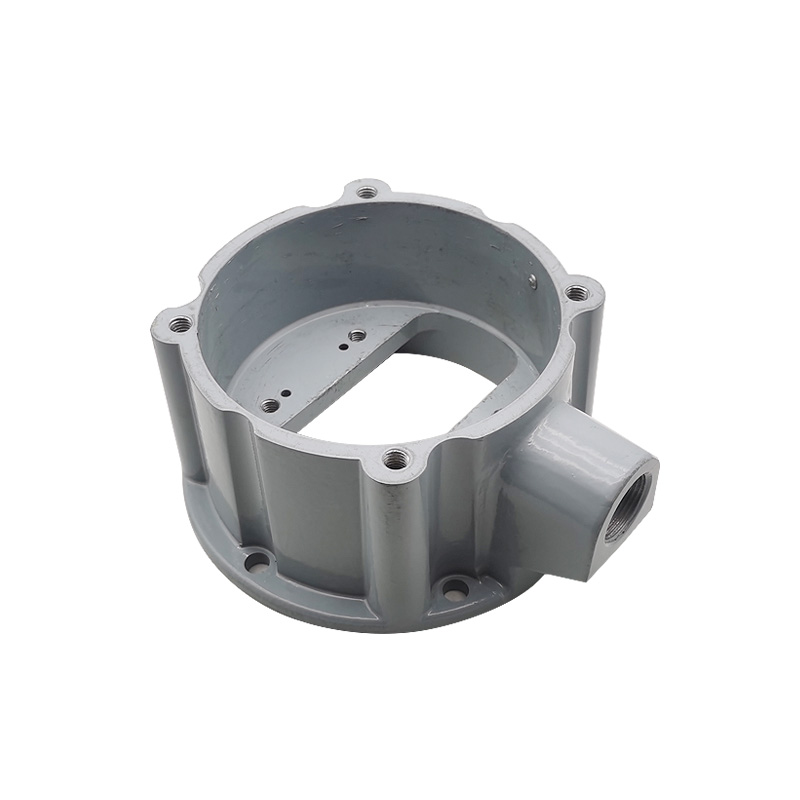
Modern manufacturing environments demand precision, consistency, and reliability from every component produced. Quality machining services encompass far more than basic cutting operations, requiring sophisticated equipment, skilled technicians, and rigorous quality control processes. Companies seeking superior manufacturing outcomes must evaluate service providers based on their technical capabilities, equipment sophistication, and proven track record of delivering precision components across diverse industry applications.
The foundation of exceptional machining services lies in cutting-edge CNC equipment designed for precision and reliability. Modern machining centers feature multi-axis capabilities, advanced spindle systems, and sophisticated control software that ensures consistent dimensional accuracy across production runs. High-quality service providers invest in premium machine tools from renowned manufacturers, incorporating features like thermal compensation, automatic tool changers, and real-time monitoring systems that maintain optimal performance throughout extended production cycles.
Machine rigidity and stability play crucial roles in determining final part quality, particularly when working with challenging materials or tight tolerances. Heavy-duty machine bases, precision linear guides, and robust spindle assemblies minimize vibration and deflection during cutting operations. Advanced machining services utilize equipment with enhanced structural designs that maintain accuracy even under demanding production conditions, ensuring consistent results regardless of material hardness or complexity requirements.
Premium cutting tools and sophisticated tooling systems significantly impact the quality outcomes of precision manufacturing operations. Professional machining services employ advanced carbide inserts, specialized coatings, and engineered tool geometries optimized for specific material applications. Tool selection directly affects surface finish quality, dimensional accuracy, and production efficiency, making it essential for service providers to maintain comprehensive tooling inventories that support diverse manufacturing requirements.
Automated tool management systems and real-time tool monitoring technologies ensure optimal cutting performance throughout production runs. These systems track tool wear patterns, predict replacement intervals, and maintain consistent cutting parameters that preserve part quality. High-performance machining services implement sophisticated tool presetting equipment and coordinate measuring machines that verify tool dimensions before installation, eliminating potential sources of dimensional variation that could compromise final product quality.
Superior machining services begin with premium raw materials sourced from certified suppliers who maintain strict quality control standards. Material composition, grain structure, and heat treatment history directly influence machinability characteristics and final component performance. Professional manufacturing partners establish relationships with trusted material suppliers who provide detailed certification documentation, chemical analysis reports, and traceability records that ensure consistent material properties across production batches.
Material storage and handling procedures protect raw stock from contamination, moisture exposure, and physical damage that could affect machining outcomes. Climate-controlled storage environments, proper inventory rotation systems, and careful material identification processes prevent quality issues before manufacturing begins. Experienced machining services implement comprehensive material inspection protocols that verify dimensions, surface condition, and material properties before initiating production operations.
Different materials require specialized machining approaches to achieve optimal results, making material expertise a critical factor in service quality. Aluminum alloys, stainless steels, titanium, and exotic materials each present unique challenges that demand specific cutting parameters, tooling selections, and coolant strategies. Professional machining services develop material-specific process databases that optimize cutting speeds, feed rates, and tool paths for consistent quality outcomes across diverse material applications.
Heat management during machining operations becomes particularly critical when working with temperature-sensitive materials or achieving tight tolerances. Advanced coolant systems, strategic tool path planning, and controlled cutting parameters prevent thermal distortion that could compromise dimensional accuracy. Quality machining services employ sophisticated thermal modeling software and real-time temperature monitoring to maintain optimal cutting conditions throughout complex manufacturing operations.
Comprehensive quality control programs form the backbone of reliable machining services, incorporating advanced measurement technologies and rigorous inspection protocols. Coordinate measuring machines, optical inspection systems, and precision measurement tools enable accurate verification of dimensional specifications, geometric tolerances, and surface finish requirements. Professional manufacturing partners invest in climate-controlled inspection environments that eliminate temperature-related measurement variations and ensure consistent accuracy across all quality assessments.
Statistical process control methodologies help identify trends and variations before they impact product quality, enabling proactive adjustments to machining parameters. Real-time monitoring systems track critical dimensions during production, providing immediate feedback that allows operators to maintain optimal cutting conditions. Quality machining services implement comprehensive documentation systems that record measurement data, process parameters, and corrective actions to support continuous improvement initiatives and customer traceability requirements.
Surface finish quality significantly impacts component performance in applications requiring precise fits, sealing surfaces, or aesthetic requirements. Advanced machining services utilize sophisticated surface measurement equipment that quantifies roughness parameters, evaluates surface texture, and identifies potential quality issues that could affect component functionality. Proper surface finish control requires careful attention to cutting parameters, tool condition, and post-machining handling procedures.
Geometric dimensioning and tolerancing verification ensures components meet complex design specifications that control form, fit, and function characteristics. Professional inspection protocols evaluate geometric relationships, position tolerances, and profile requirements using specialized measurement techniques. Quality machining services employ certified inspection technicians who understand advanced measurement principles and can interpret complex engineering drawings to verify all specified requirements accurately.
Skilled machinists and technicians represent the human element that transforms advanced equipment into exceptional manufacturing results. Quality machining services invest heavily in comprehensive training programs that develop technical expertise in CNC programming, setup procedures, and problem-solving methodologies. Experienced operators understand the subtle interactions between cutting parameters, material properties, and tooling performance that determine final part quality.
Continuous education programs keep technical staff current with evolving manufacturing technologies, new materials, and advanced machining techniques. Professional development opportunities, certification programs, and hands-on training experiences ensure operators maintain the expertise required to handle increasingly complex manufacturing challenges. Superior machining services recognize that operator knowledge and experience directly influence production efficiency, quality consistency, and problem resolution capabilities.
Experienced machinists contribute valuable insights that optimize manufacturing processes and resolve quality issues before they impact production outcomes. Their understanding of material behavior, cutting dynamics, and machine capabilities enables proactive adjustments that maintain optimal performance throughout production runs. Quality machining services encourage operator input and feedback to continuously improve processes and identify opportunities for enhanced efficiency.
Systematic problem-solving approaches help technical teams quickly identify root causes and implement effective corrective actions when quality issues arise. Comprehensive documentation of process parameters, setup procedures, and successful solutions creates knowledge databases that support consistent quality outcomes across different operators and production shifts. Professional machining services maintain detailed process records that enable rapid setup for repeat jobs and ensure consistent quality regardless of personnel changes.
Manufacturing environment conditions significantly impact the quality outcomes of precision machining operations. Temperature stability, humidity control, and vibration isolation systems maintain optimal conditions for accurate machining and measurement activities. Quality machining services implement comprehensive environmental monitoring systems that track conditions and alert personnel to variations that could affect product quality or measurement accuracy.
Cleanliness standards and contamination control procedures protect components from foreign particles, cutting fluid residues, and handling damage that could compromise quality specifications. Professional cleaning protocols, filtered air systems, and organized workspaces minimize contamination risks throughout production and inspection processes. Advanced machining services establish clear cleanliness requirements and provide appropriate cleaning equipment to maintain component quality from initial setup through final packaging.
Efficient workflow organization and systematic production planning contribute to consistent quality outcomes while minimizing lead times and production costs. Well-designed facility layouts optimize material flow, reduce handling requirements, and eliminate bottlenecks that could impact production schedules. Quality machining services implement lean manufacturing principles that streamline operations while maintaining rigorous quality standards throughout all production activities.
Production scheduling systems and capacity planning tools help maintain optimal workload distribution and ensure adequate time allocation for proper setup and quality verification activities. Rush jobs and compressed schedules often compromise quality outcomes, making effective planning essential for consistent results. Professional manufacturing partners maintain realistic scheduling practices that allow sufficient time for proper processes while meeting customer delivery requirements.
Evaluate machining services by examining their equipment specifications, inspection capabilities, certifications, and sample parts from similar applications. Request facility tours to observe cleanliness standards, organizational systems, and operator expertise levels. Review quality documentation, measurement reports, and customer references to assess their track record of delivering consistent results. Consider their experience with your specific materials, tolerances, and industry requirements when making selection decisions.
Equipment age impacts quality primarily through wear-related accuracy degradation and technological limitations rather than chronological age alone. Well-maintained older machines with regular calibration and component replacement can deliver excellent results, while poorly maintained newer equipment may produce inconsistent outcomes. Focus on maintenance programs, calibration records, and demonstrated accuracy capabilities rather than equipment age when evaluating potential manufacturing partners.
Material certifications provide essential documentation of chemical composition, mechanical properties, and heat treatment conditions that directly affect machining performance and component quality. Certified materials ensure consistent machinability characteristics and predictable results across production batches. Quality machining services require proper material documentation to optimize cutting parameters, select appropriate tooling, and verify that finished components meet specified performance requirements for critical applications.
Professional machining services should demonstrate ISO certification, comprehensive quality management systems, and documented inspection procedures that verify all specified requirements. Expect detailed measurement reports, process documentation, and traceability records that support your quality requirements. Quality providers maintain calibrated measurement equipment, trained inspection personnel, and systematic approaches to quality control that ensure consistent results and continuous improvement initiatives.

 EN
EN