Modern manufacturing relies heavily on precision and durability to meet the demanding requirements of various industries. The machining service plays a crucial role in transforming raw materials into high-quality components that can withstand extreme conditions and extended use. Through advanced cutting techniques, material removal processes, and precision engineering, machining service providers deliver parts with exceptional dimensional accuracy and enhanced structural integrity. This comprehensive approach to manufacturing ensures that finished components meet or exceed performance expectations across automotive, aerospace, medical, and industrial applications.
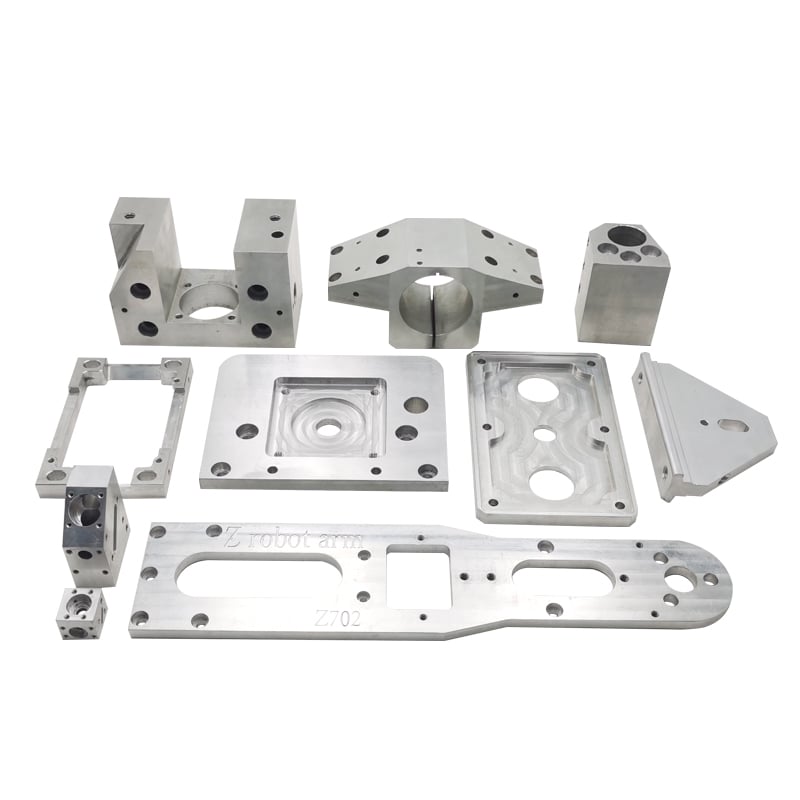
The durability enhancement achieved through professional machining service extends far beyond simple material removal. Skilled machinists utilize sophisticated equipment and proven methodologies to optimize material properties, eliminate weak points, and create components that demonstrate superior longevity. The process involves careful consideration of grain structure, stress distribution, and surface finish characteristics that directly impact the final product's performance capabilities. Understanding these fundamental principles helps manufacturers make informed decisions about their production requirements and quality expectations.
Professional machining service operations focus extensively on preserving and enhancing the natural grain structure of metallic materials during the cutting process. The controlled removal of material allows machinists to work with the grain direction rather than against it, resulting in components that maintain their inherent strength characteristics. This approach prevents the formation of stress concentrations that could lead to premature failure under load conditions. The precision achieved through modern machining service techniques ensures that the final component retains optimal material properties while meeting exact dimensional specifications.
The relationship between cutting parameters and grain structure becomes particularly important when working with high-strength alloys and specialized materials. Experienced machining service providers understand how feed rates, cutting speeds, and tool selection influence the material's microstructure. By carefully controlling these variables, they can minimize heat-affected zones and prevent the formation of undesirable metallurgical changes that could compromise durability. This level of control distinguishes professional machining service from conventional manufacturing approaches.
The surface integrity achieved through precision machining service directly correlates with the finished part's durability and performance characteristics. Proper machining techniques create surfaces with minimal subsurface damage, optimal surface roughness, and favorable residual stress patterns. These factors work together to enhance fatigue resistance, corrosion resistance, and overall component longevity. The machining service provider's expertise in tool selection, cutting fluid application, and process optimization ensures that surface integrity requirements are consistently met across all manufactured components.
Advanced machining service operations employ various finishing techniques to further enhance surface properties and durability. These may include precision grinding, honing, or specialized cutting operations that create specific surface textures or patterns. The goal is to optimize the surface for its intended application while maintaining dimensional accuracy and geometric tolerances. This comprehensive approach to surface preparation distinguishes professional machining service providers from basic manufacturing operations.
The dimensional accuracy achieved through professional machining service operations plays a fundamental role in enhancing component durability and service life. Precise tolerances ensure proper fit and function within assemblies, eliminating excessive wear, binding, or stress concentrations that could lead to premature failure. When components fit together perfectly, loads are distributed evenly across mating surfaces, reducing localized stress points and extending overall system durability. This level of precision can only be achieved through skilled machining service operations.
The relationship between dimensional accuracy and durability becomes increasingly important in high-performance applications where components operate under extreme conditions. Aerospace components, medical devices, and precision instruments all rely on exceptional dimensional control to maintain their functionality over extended periods. Professional machining service providers utilize advanced measuring equipment and process control techniques to ensure that every dimension meets specified tolerances consistently. This attention to detail translates directly into enhanced component reliability and reduced maintenance requirements.
Geometric tolerance control represents a critical aspect of modern machining service that significantly impacts component durability. Proper control of form, position, and orientation tolerances ensures that loads are distributed uniformly throughout the component structure. This uniform load distribution prevents the formation of stress concentrations that could initiate crack formation or accelerate wear processes. Experienced machining service technicians understand how geometric tolerances interact with material properties to influence overall component performance.
The implementation of geometric dimensioning and tolerancing principles within machining service operations requires sophisticated equipment and extensive technical knowledge. Advanced coordinate measuring machines, laser interferometry systems, and precision fixturing allow machinists to achieve and verify complex geometric relationships. This capability enables the production of components with optimized stress distribution patterns that contribute to enhanced durability and extended service life. The investment in precision measurement and control systems distinguishes professional machining service providers from conventional manufacturing operations.
Multi-axis machining service capabilities enable the creation of complex geometries that optimize stress distribution and enhance component durability. Advanced five-axis and six-axis machining centers allow for the production of components with smooth transitions, eliminating sharp corners and stress concentration points that could compromise durability. This capability is particularly valuable in aerospace and automotive applications where weight reduction and performance optimization are critical requirements. The ability to machine complex shapes in a single setup also improves dimensional accuracy and surface finish consistency.
The implementation of multi-axis machining service requires sophisticated programming capabilities and extensive operator expertise. Computer-aided manufacturing software enables the development of complex tool paths that optimize cutting conditions while maintaining surface quality requirements. This level of programming sophistication allows machining service providers to create components with enhanced durability characteristics that would be impossible to achieve through conventional machining methods. The result is components that demonstrate superior performance in demanding applications.
High-speed machining service techniques offer significant advantages in terms of material property preservation and surface integrity enhancement. The reduced cutting forces and minimal heat generation associated with high-speed machining help maintain the material's original properties while achieving exceptional surface finishes. This approach is particularly beneficial when working with heat-sensitive materials or components that require specific metallurgical properties for optimal durability. Professional machining service providers invest in high-speed spindle technology and specialized tooling to maximize these benefits.
The optimization of high-speed machining service parameters requires extensive knowledge of material behavior and cutting physics. Factors such as spindle speed, feed rate, axial depth of cut, and tool geometry must be carefully balanced to achieve optimal results. Experienced machining service technicians understand how these parameters interact to influence surface integrity, dimensional accuracy, and overall component durability. This expertise enables them to develop custom machining strategies that maximize component performance for specific applications.
Modern machining service operations incorporate sophisticated in-process monitoring and control systems to ensure consistent quality and durability characteristics. These systems continuously monitor cutting forces, spindle power, vibration levels, and other critical parameters that influence component quality. Real-time feedback allows for immediate process adjustments to maintain optimal cutting conditions throughout the machining cycle. This level of process control ensures that every component meets durability requirements regardless of production volume or complexity.
The implementation of adaptive control systems within machining service operations represents a significant advancement in quality assurance capabilities. These systems can automatically adjust cutting parameters in response to changing conditions, maintaining optimal surface integrity and dimensional accuracy. The ability to adapt to material variations, tool wear, and other process variables ensures consistent component quality and enhanced durability characteristics. This technology distinguishes advanced machining service providers from conventional manufacturing operations.
Comprehensive post-machining inspection procedures form an integral part of professional machining service quality assurance programs. Advanced coordinate measuring machines, surface roughness testers, and hardness measurement equipment verify that components meet all specified requirements for durability and performance. These inspection procedures ensure that surface integrity, dimensional accuracy, and material properties are maintained throughout the manufacturing process. The data collected during inspection provides valuable feedback for continuous process improvement and optimization.
The verification of durability characteristics through accelerated testing and performance evaluation represents an advanced capability offered by leading machining service providers. These tests simulate actual service conditions to verify component performance and identify potential areas for improvement. The results of these evaluations provide valuable insights into component behavior and help optimize machining processes for enhanced durability. This commitment to verification and testing demonstrates the professional approach that distinguishes quality machining service providers.
Aerospace applications demand the highest levels of component durability and reliability, making precision machining service essential for successful manufacturing operations. The extreme operating conditions encountered in aerospace environments require components that can withstand high temperatures, corrosive atmospheres, and dynamic loading conditions. Professional machining service providers specializing in aerospace applications understand these unique requirements and develop specialized processes to ensure optimal component performance and durability.
The certification requirements and quality standards associated with aerospace machining service operations are among the most stringent in manufacturing. Components must meet strict material specifications, dimensional tolerances, and surface finish requirements to ensure safety and reliability. The documentation and traceability requirements associated with aerospace machining service ensure that every component can be tracked throughout its service life. This level of quality control and documentation supports the enhanced durability requirements of aerospace applications.
Medical device manufacturing requires exceptional precision and durability characteristics that can only be achieved through specialized machining service capabilities. Biocompatible materials must be machined using techniques that preserve their corrosion resistance and biocompatibility while achieving the dimensional accuracy required for proper function. The machining service provider's expertise in working with exotic materials and maintaining sterile manufacturing environments is essential for successful medical device production.
The regulatory requirements associated with medical device machining service operations ensure that components meet the highest standards for safety and performance. FDA regulations and ISO standards govern material selection, manufacturing processes, and quality control procedures. Compliance with these requirements ensures that medical device components demonstrate the enhanced durability and reliability necessary for life-critical applications. The specialized knowledge required for medical device machining service distinguishes qualified providers in this demanding market segment.
The durability enhancement achieved through professional machining service depends on several critical factors including material selection, cutting parameter optimization, surface finish requirements, and geometric tolerance control. The machining service provider's expertise in balancing these factors to optimize component performance is essential for achieving maximum durability benefits. Advanced equipment capabilities, process control systems, and quality assurance procedures also contribute significantly to the overall durability enhancement achieved.
Surface finish quality achieved through precision machining service has a direct impact on component durability through its influence on fatigue resistance, corrosion resistance, and wear characteristics. Smoother surfaces generally demonstrate improved fatigue life due to reduced stress concentration effects, while controlled surface textures can enhance lubrication retention and reduce wear rates. The machining service provider's ability to optimize surface finish for specific applications is crucial for maximizing component durability and service life.
Dimensional accuracy achieved through professional machining service plays a fundamental role in component durability by ensuring proper fit and function within assemblies. Precise tolerances eliminate excessive clearances or interference conditions that could create stress concentrations or accelerated wear patterns. The uniform load distribution achieved through accurate machining service contributes directly to enhanced component durability and extended service life in demanding applications.
Advanced machining techniques such as multi-axis machining and high-speed cutting contribute to durability enhancement by enabling the creation of optimized geometries and preserving material properties throughout the manufacturing process. These techniques allow machining service providers to eliminate stress concentration points, achieve superior surface finishes, and maintain the material's original strength characteristics. The result is components that demonstrate enhanced durability and performance in challenging operating environments.

 EN
EN