The automotive industry relies heavily on precision manufacturing processes to create durable, lightweight, and cost-effective components. Among these processes, casting stands out as one of the most versatile and widely adopted methods for producing complex automotive parts. Casting parts have become fundamental to modern vehicle production, enabling manufacturers to create intricate geometries that would be challenging or impossible to achieve through other manufacturing techniques. This comprehensive manufacturing approach allows automotive companies to produce high-volume components while maintaining strict quality standards and cost efficiency.
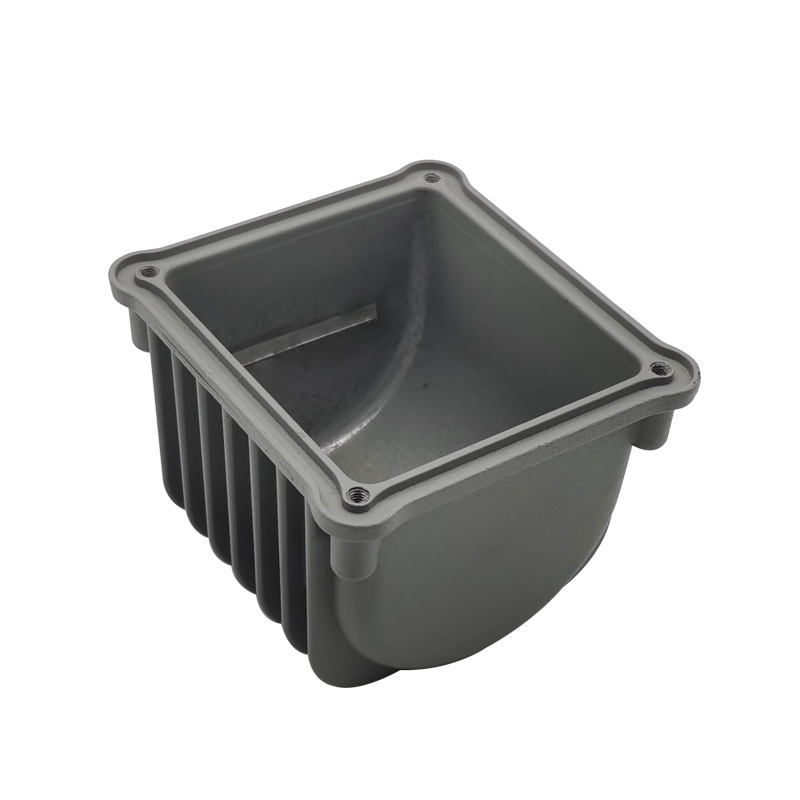
Modern automotive manufacturing demands components that can withstand extreme conditions while contributing to overall vehicle performance and safety. Casting parts offer unique advantages in meeting these requirements, providing manufacturers with the flexibility to create components ranging from small precision parts to large structural elements. The process allows for excellent material utilization, reduced waste, and the ability to incorporate complex internal features that enhance functionality. As the automotive industry continues to evolve toward more sustainable and efficient production methods, casting remains a cornerstone technology that adapts to new materials and design requirements.
Engine blocks and cylinder heads represent some of the most critical casting parts in automotive manufacturing. These components must withstand extreme temperatures, pressures, and mechanical stresses while maintaining precise dimensional tolerances. Modern engine blocks are typically cast from aluminum or iron alloys, with aluminum becoming increasingly popular due to its superior heat dissipation properties and lighter weight. The casting process allows manufacturers to create complex internal cooling passages, oil galleries, and mounting surfaces that would be extremely difficult to machine from solid material.
Cylinder heads require even greater precision due to their intricate valve seat arrangements, combustion chamber geometries, and port configurations. Casting enables the creation of optimized intake and exhaust port shapes that significantly impact engine performance and efficiency. The process also allows for the integration of cooling jacket designs that effectively manage heat distribution throughout the component. Advanced casting techniques, such as lost foam casting and precision sand casting, enable manufacturers to achieve the tight tolerances required for proper valve sealing and optimal combustion chamber performance.
The durability requirements for these casting parts necessitate careful alloy selection and heat treatment processes. Manufacturers must consider factors such as thermal expansion, fatigue resistance, and corrosion protection when designing and producing these critical engine components. The casting process allows for the incorporation of reinforcement features and stress-relief geometries that enhance the overall reliability and longevity of the engine assembly.
Intake manifolds are essential casting parts that distribute the air-fuel mixture to individual engine cylinders. The casting process enables manufacturers to create smooth, aerodynamically optimized internal surfaces that minimize flow restrictions and turbulence. Modern intake manifolds often feature variable geometry designs that adjust airflow characteristics based on engine operating conditions. These complex geometries would be nearly impossible to achieve through traditional machining methods, making casting the preferred manufacturing approach.
Exhaust manifolds and catalytic converter housings also benefit significantly from casting technology. These components must withstand extreme temperatures and corrosive exhaust gases while maintaining structural integrity. Casting allows for the creation of integrated heat shields, mounting brackets, and sensor provisions that simplify assembly and reduce overall system complexity. The process also enables the production of components with optimized wall thickness distributions that balance weight reduction with thermal and mechanical performance requirements.
Advanced casting materials, such as high-temperature aluminum alloys and specialized iron compositions, enable these casting parts to perform reliably in harsh operating environments. The manufacturing process can incorporate features such as thermal barrier coatings and specialized surface treatments that further enhance component durability and performance characteristics.
Transmission cases represent complex casting parts that must provide precise mounting surfaces for gears, shafts, and control systems while maintaining structural rigidity under varying load conditions. The casting process allows manufacturers to create integrated cooling passages, fluid channels, and mounting provisions that optimize transmission performance and packaging efficiency. Modern transmission cases often incorporate multiple cavity designs that house different subsystems within a single casting, reducing assembly complexity and improving overall system integration.
The dimensional accuracy requirements for transmission housings demand sophisticated casting techniques and quality control processes. These casting parts must maintain precise bearing bore alignments, gear mesh tolerances, and sealing surface flatness to ensure proper transmission operation and longevity. Advanced casting methods, such as permanent mold casting and investment casting, enable manufacturers to achieve the required precision while maintaining cost-effective production volumes.
Material selection for transmission casting parts focuses on achieving optimal strength-to-weight ratios while providing excellent machinability for critical surfaces. Aluminum alloys are increasingly popular for these applications due to their superior heat dissipation properties and reduced overall vehicle weight contribution. The casting process allows for the integration of reinforcement ribs and structural features that enhance component stiffness without adding excessive material.
Differential housings are critical casting parts that must withstand high torque loads while providing precise gear positioning and lubrication distribution. The casting process enables the creation of complex internal geometries that optimize gear mesh patterns and lubrication flow paths. These components often feature integrated mounting provisions for suspension components, brake systems, and wheel assemblies, requiring careful design coordination to ensure proper load distribution and alignment.
Axle housings and related drivetrain components benefit from casting technology's ability to create lightweight yet robust structures. The process allows for the incorporation of hollow sections and optimized wall thickness distributions that reduce overall component weight while maintaining required strength characteristics. Modern casting parts in drivetrain applications often feature integrated heat dissipation features and protective coatings that enhance durability in challenging operating conditions.
The manufacturing of these casting parts requires careful consideration of thermal management and fatigue resistance. Components must withstand repeated loading cycles and temperature variations without experiencing dimensional changes or structural failures. Advanced casting alloys and post-processing techniques enable manufacturers to achieve the required performance characteristics while maintaining cost-effective production methods.
Suspension control arms are sophisticated casting parts that play crucial roles in vehicle handling, comfort, and safety. These components must provide precise wheel positioning while withstanding dynamic loads from road surfaces and vehicle maneuvers. The casting process enables manufacturers to create optimized shapes that balance strength, weight, and cost considerations. Modern control arms often feature complex geometries with integrated mounting provisions for bushings, ball joints, and stabilizer bar connections.
The design flexibility offered by casting allows engineers to create suspension components with variable cross-sections and integrated reinforcement features. These casting parts can incorporate hollow sections and strategic material placement that optimize stiffness characteristics while minimizing overall weight. The process also enables the production of components with integrated attachment points that simplify assembly and reduce the number of separate fastening elements required.
Material selection for suspension casting parts focuses on achieving excellent fatigue resistance and corrosion protection. Aluminum alloys are increasingly popular for these applications due to their superior strength-to-weight ratios and natural corrosion resistance. The casting process allows for the incorporation of specialized surface treatments and coatings that further enhance component durability and performance in harsh environmental conditions.
Steering system components, including rack housings and steering gear cases, represent critical casting parts that require exceptional precision and reliability. These components must maintain accurate dimensional relationships between moving parts while providing effective sealing and lubrication systems. The casting process enables the creation of complex internal passages and mounting provisions that optimize system performance and packaging efficiency.
Power steering pump housings and related components benefit from casting technology's ability to create integrated cooling features and precise bearing surfaces. These casting parts must withstand hydraulic pressures and dynamic loads while maintaining dimensional stability over extended service life. The manufacturing process allows for the incorporation of specialized surface treatments and machining allowances that ensure proper component function and durability.
Modern steering system casting parts often feature integrated mounting provisions for sensors, actuators, and electronic control systems. The casting process enables manufacturers to create components with optimized material distribution and structural features that accommodate these additional systems while maintaining overall component integrity and performance characteristics.
Brake calipers are essential casting parts that must provide consistent and reliable braking performance under extreme conditions. These components must withstand high temperatures, hydraulic pressures, and mechanical stresses while maintaining precise piston positioning and effective heat dissipation. The casting process enables manufacturers to create calipers with optimized cooling fin designs and internal passage configurations that enhance thermal management and performance characteristics.
Modern brake caliper designs often incorporate lightweight materials and advanced casting techniques to reduce unsprung weight while maintaining required strength and stiffness characteristics. The casting process allows for the creation of components with variable wall thickness and integrated reinforcement features that optimize material utilization and performance. These casting parts can incorporate complex geometries that would be difficult or impossible to achieve through traditional machining methods.
The manufacturing of brake system casting parts requires careful attention to material properties and surface finish requirements. Components must resist corrosion from brake fluids and environmental exposure while maintaining dimensional accuracy over extended service intervals. Advanced casting alloys and protective coatings enable these components to perform reliably in demanding automotive applications while meeting stringent safety and performance requirements.
Master cylinder housings and ABS system components represent sophisticated casting parts that require exceptional precision and reliability. These components must maintain accurate bore dimensions and surface finishes to ensure proper seal function and hydraulic system performance. The casting process enables manufacturers to create integrated mounting provisions and connection features that simplify system assembly and reduce overall complexity.
ABS valve housings and related components benefit from casting technology's ability to create precise internal passages and mounting surfaces. These casting parts must accommodate multiple hydraulic circuits and electronic control components while maintaining compact packaging and reliable operation. The manufacturing process allows for the incorporation of integrated heat dissipation features and protective coatings that enhance system durability and performance characteristics.
The production of these critical safety-related casting parts requires stringent quality control processes and material traceability. Components must meet demanding performance specifications and safety requirements while maintaining cost-effective manufacturing methods. Advanced casting techniques and inspection technologies ensure that these components meet the required standards for automotive brake system applications.
Structural frame components represent some of the most demanding applications for casting parts in automotive manufacturing. These components must provide exceptional strength and crash protection while contributing to overall vehicle weight reduction goals. The casting process enables manufacturers to create complex joint designs and integrated reinforcement features that optimize structural performance and manufacturing efficiency. Modern frame casting parts often incorporate hollow sections and strategic material placement that enhance stiffness characteristics while minimizing material usage.
Body mounting brackets and structural reinforcements benefit significantly from casting technology's design flexibility. These casting parts can incorporate complex geometries and integrated attachment points that simplify assembly processes and reduce the number of separate components required. The process allows for the creation of components with optimized load distribution characteristics and integrated energy absorption features that enhance vehicle safety performance.
The material selection for structural casting parts focuses on achieving optimal strength-to-weight ratios while providing excellent crashworthiness characteristics. Advanced aluminum and magnesium alloys enable manufacturers to create lightweight structural components that meet demanding safety and performance requirements. The casting process allows for the incorporation of specialized heat treatments and surface modifications that further enhance component properties and durability.
Door frame components and panel support structures represent specialized casting parts that must balance structural requirements with aesthetic considerations. These components must provide precise mounting surfaces for door systems, glass assemblies, and trim components while maintaining dimensional accuracy over extended service life. The casting process enables manufacturers to create integrated hinge provisions and reinforcement features that optimize door operation and structural integrity.
Window regulator housings and related mechanisms benefit from casting technology's ability to create precise bearing surfaces and internal geometries. These casting parts must accommodate complex motion systems while providing reliable operation and minimal maintenance requirements. The manufacturing process allows for the incorporation of integrated mounting provisions and protective features that enhance system durability and performance characteristics.
Modern body panel support casting parts often feature integrated mounting provisions for electronic systems, sensors, and communication equipment. The casting process enables manufacturers to create components with optimized material distribution and protective features that accommodate these additional systems while maintaining structural integrity and aesthetic requirements.
Automotive casting parts are typically manufactured using aluminum alloys, iron alloys, and magnesium alloys. Aluminum is increasingly popular due to its excellent strength-to-weight ratio, corrosion resistance, and thermal conductivity properties. Iron alloys remain important for high-stress applications such as engine blocks and brake components where maximum durability is required. Magnesium alloys are used in specialized applications where extreme weight reduction is critical, though they require additional protective treatments for corrosion resistance.
Casting parts offer several advantages over alternative manufacturing methods, including the ability to create complex geometries, integrate multiple features in a single component, and achieve cost-effective high-volume production. Compared to machining, casting reduces material waste and enables the production of hollow structures and internal passages. While forging may provide superior mechanical properties for some applications, casting offers greater design flexibility and lower tooling costs for complex shapes. The choice between manufacturing methods depends on specific performance requirements, production volumes, and cost considerations.
Quality control for automotive casting parts involves multiple inspection stages, including incoming material verification, in-process monitoring, and final component inspection. Non-destructive testing methods such as X-ray imaging, ultrasonic testing, and pressure testing are commonly used to detect internal defects and ensure structural integrity. Dimensional inspection using coordinate measuring machines ensures that critical tolerances are maintained. Material property verification through tensile testing and hardness measurements confirms that components meet specified performance requirements. Traceability systems track components throughout the manufacturing process to enable rapid response to any quality issues.
The transition to electric vehicles is driving significant changes in casting parts requirements and applications. Battery housings and thermal management components are becoming increasingly important, requiring casting parts with excellent thermal conductivity and electromagnetic shielding properties. Electric motor housings demand precise tolerances and integrated cooling features that benefit from advanced casting techniques. Lightweight structural components are more critical than ever for maximizing electric vehicle range, driving increased adoption of aluminum and magnesium casting parts. The industry is also developing new alloy compositions and casting processes specifically optimized for electric vehicle applications and requirements.

 EN
EN