Plastic injection molding has revolutionized manufacturing across countless industries, from automotive components to consumer electronics. The success of any injection molding project fundamentally depends on selecting the right material for the specific application. Understanding the properties, advantages, and limitations of various plastic injection molding materials enables engineers and manufacturers to make informed decisions that directly impact product performance, cost-effectiveness, and overall project success.
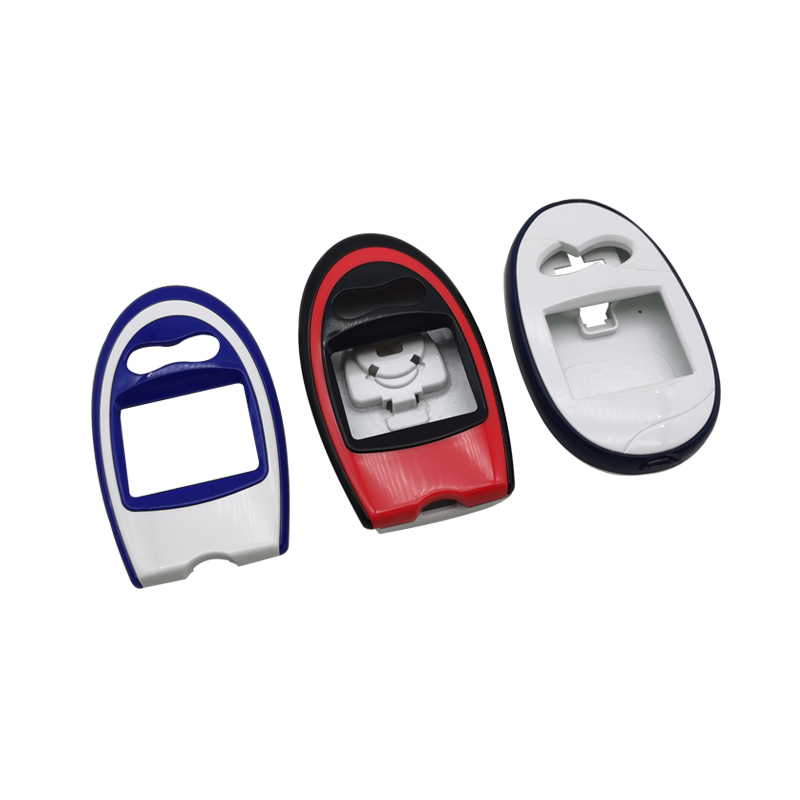
The selection process involves careful consideration of mechanical properties, chemical resistance, temperature tolerance, and processing characteristics. Each material family offers unique benefits that make them suitable for specific applications. From commodity thermoplastics that dominate high-volume production to engineering-grade polymers designed for demanding environments, the range of available options continues to expand as technology advances.
Thermoplastic materials form the backbone of most injection molding operations due to their ability to be repeatedly heated, melted, and reformed without significant degradation. This characteristic makes them ideal for the injection molding process, where pellets are heated to a molten state, injected into molds, and then cooled to solidify into the desired shape. The molecular structure of thermoplastics consists of long polymer chains that are not chemically cross-linked, allowing for this reversible process.
The processing advantages of thermoplastics extend beyond their recyclability. These materials typically offer excellent flow characteristics during injection, enabling the production of complex geometries with thin walls and intricate details. Additionally, most thermoplastics can be processed at relatively moderate temperatures, reducing energy consumption and minimizing thermal stress on molding equipment.
Thermoplastic materials are generally classified into three main categories based on their performance characteristics and cost structure. Commodity plastics represent the highest volume materials, offering good general-purpose properties at economical prices. Engineering plastics provide enhanced mechanical, thermal, or chemical properties for more demanding applications. Super engineering plastics offer exceptional performance characteristics for extreme environments but at premium pricing.
This classification system helps manufacturers quickly identify appropriate material families for their applications. However, the boundaries between categories continue to blur as material science advances and modified grades emerge. Many suppliers now offer enhanced commodity grades that approach engineering plastic performance levels while maintaining cost advantages.
Polyethylene stands as one of the most widely used plastic injection molding materials due to its excellent chemical resistance, low cost, and ease of processing. High-density polyethylene offers superior stiffness and barrier properties, making it ideal for containers, housewares, and automotive fuel tanks. Low-density polyethylene provides flexibility and impact resistance, commonly used in flexible packaging and squeeze bottles.
The processing characteristics of polyethylene make it particularly suitable for large-volume production runs. Its relatively low melting point reduces energy requirements, while its forgiving nature tolerates processing variations without significant quality degradation. However, polyethylene's low surface energy can create challenges for painting or adhesive bonding, requiring surface treatment for secondary operations.
Polypropylene has emerged as a versatile material offering an excellent balance of properties at competitive pricing. Its superior chemical resistance, good fatigue resistance, and ability to withstand repeated flexing make it ideal for living hinges, automotive interior components, and food containers. The material's low density contributes to weight reduction in applications where this characteristic provides value.
Advanced polypropylene grades incorporate various additives and reinforcements to enhance specific properties. Glass-filled grades provide increased stiffness and dimensional stability for structural applications. Talc-filled variants offer improved surface appearance and reduced shrinkage. Copolymer grades balance impact resistance with processing ease, expanding application possibilities across temperature ranges.
Acrylonitrile butadiene styrene represents one of the most balanced engineering thermoplastics, combining good mechanical properties with excellent processability. The three-component polymer structure provides impact resistance from butadiene, chemical resistance from acrylonitrile, and processing ease from styrene. This combination makes ABS suitable for automotive components, consumer electronics housings, and appliance parts.
The surface quality achievable with ABS makes it particularly attractive for visible applications. The material readily accepts paint, plating, and texturing processes, enabling attractive finished products without secondary coating operations. Various ABS grades are available with enhanced properties such as improved heat resistance, flame retardancy, or UV stability for outdoor applications.
Polyamides, commonly known as nylons, offer exceptional mechanical properties including high strength, excellent wear resistance, and good chemical compatibility with oils and fuels. Nylon 6 and Nylon 66 represent the most common injection molding grades, each offering slightly different property profiles. Glass-reinforced nylon grades provide dramatically increased stiffness and dimensional stability for structural applications.
Moisture absorption represents the primary processing challenge with nylon materials. These hygroscopic polymers must be thoroughly dried before processing to prevent quality defects such as splay, bubbles, or reduced mechanical properties. However, the superior performance characteristics of nylon make this additional processing step worthwhile for demanding applications in automotive, industrial, and consumer markets.
Polycarbonate delivers exceptional impact strength and optical clarity, making it invaluable for applications requiring transparent, tough components. The material's ability to maintain properties across wide temperature ranges, combined with inherent flame resistance, makes it suitable for electrical components, safety glazing, and medical devices. Its excellent dimensional stability ensures consistent performance in precision applications.
Processing polycarbonate requires careful attention to temperature control and drying procedures. The material's sensitivity to hydrolysis necessitates thorough moisture removal before molding. Additionally, the relatively high processing temperatures require robust heating systems and proper ventilation. Despite these processing considerations, polycarbonate's unique property combination often makes it the only viable material choice for certain applications.
Advanced engineering polymers such as polyoxymethylene, polyphenylene oxide, and polyetherimide offer specialized properties for extreme service conditions. These materials typically provide superior temperature resistance, chemical compatibility, or dimensional stability compared to commodity alternatives. However, their higher costs and more demanding processing requirements limit their use to applications where their unique properties provide essential value.
The selection of specialty polymers often involves extensive material evaluation and testing to verify performance under actual service conditions. Processing parameters may require optimization for each specific grade and application. Despite these challenges, the availability of high-performance materials enables injection molding to compete with alternative manufacturing processes in demanding applications.
Successful material selection begins with comprehensive analysis of performance requirements including mechanical loads, environmental conditions, and dimensional tolerances. Temperature exposure, both continuous and short-term peaks, significantly influences material choice. Chemical compatibility with cleaning agents, fuels, or process fluids must be verified through testing or established data sources.
Regulatory compliance adds another layer of complexity to material selection, particularly for food contact, medical, or automotive applications. Material certifications, testing documentation, and supplier quality systems become critical factors. Long-term availability and supply chain stability also influence material selection decisions, especially for products with extended lifecycles.
Material processing characteristics must align with available equipment capabilities and production requirements. Melt temperature ranges, injection pressures, and cooling rates vary significantly among plastic injection molding materials. Some materials require specialized equipment such as corrosion-resistant screws, enhanced heating capacity, or controlled atmosphere processing.
Cycle time considerations impact both productivity and cost effectiveness. Materials with faster cooling rates or lower processing temperatures can significantly reduce manufacturing costs in high-volume applications. However, these benefits must be balanced against material costs and property requirements to optimize overall project economics.
Material selection depends on several critical factors including mechanical property requirements, environmental conditions, regulatory compliance needs, and cost targets. Engineers must evaluate temperature exposure, chemical resistance, impact requirements, and dimensional stability needs. Processing considerations such as cycle time, equipment compatibility, and secondary operations also influence material choice. Successful selection requires balancing performance requirements with manufacturing constraints and economic objectives.
Commodity plastics typically process at lower temperatures with more forgiving parameter windows, making them easier to mold consistently. Engineering plastics often require higher processing temperatures, more precise parameter control, and additional preparation steps such as drying. Some engineering materials need specialized equipment or longer cycle times. However, engineering plastics generally provide superior mechanical properties and environmental resistance that justify the additional processing complexity.
High-performance materials often present processing challenges including narrow parameter windows, sensitivity to moisture, and requirements for specialized equipment. Many require extensive drying procedures and careful temperature control throughout processing. Material costs are typically higher, and some grades have limited availability or longer lead times. However, these materials enable applications that would be impossible with standard materials, often providing superior long-term value despite initial challenges.
Modern plastic injection molding materials incorporate advanced additives and processing technologies to meet evolving performance requirements. Enhanced grades of commodity plastics now approach engineering plastic performance levels while maintaining cost advantages. New material families provide specialized properties such as improved recyclability, bio-based content, or enhanced barrier properties. Processing improvements have reduced cycle times and improved consistency across the full range of available materials.

 EN
EN