Custom manufacturing has evolved significantly over the past decades, with plastic injection parts emerging as one of the most versatile and cost-effective solutions for producing high-quality components across diverse industries. From automotive applications to consumer electronics, medical devices, and industrial equipment, these precision-engineered components offer manufacturers unprecedented flexibility in design while maintaining strict quality standards. The adoption of advanced injection molding technologies has revolutionized how companies approach product development, enabling rapid prototyping, scalable production, and innovative material applications that were previously impossible with traditional manufacturing methods.
One of the most compelling advantages of plastic injection parts lies in their ability to accommodate complex internal geometries that would be impossible or prohibitively expensive to achieve through traditional manufacturing methods. Modern injection molding techniques enable the creation of intricate hollow structures, internal channels, and undercuts that eliminate the need for secondary assembly operations. This capability proves particularly valuable in applications requiring integrated cooling channels, fluid pathways, or lightweight structural components where material reduction is critical for performance optimization.
The precision achievable with contemporary injection molding equipment allows manufacturers to maintain tight tolerances even in the most complex geometries, ensuring consistent part quality across large production runs. Advanced mold design software and multi-axis machining capabilities have further expanded the possibilities for creating sophisticated part configurations that maximize functionality while minimizing material usage and overall component weight.
Modern injection molding processes support innovative multi-material applications through overmolding and insert molding techniques, enabling the integration of different plastic materials, metals, or electronic components within a single manufacturing cycle. This approach eliminates traditional assembly steps while creating stronger bonds between dissimilar materials than mechanical fastening methods could achieve. Industries such as automotive and electronics particularly benefit from these capabilities when producing components that require varying material properties in different sections of the same part.
The ability to combine rigid and flexible materials in strategic locations allows designers to optimize component performance for specific applications, such as creating ergonomic grips on tools, shock-absorbing elements in automotive panels, or waterproof seals in electronic enclosures. These integrated solutions reduce part count, assembly time, and potential failure points while improving overall product reliability and user experience.
The economic advantages of plastic injection parts become increasingly apparent as production volumes increase, with per-unit costs decreasing significantly once initial tooling investments are amortized across larger quantities. Unlike machining processes that remove material and generate waste, injection molding utilizes nearly all input material, resulting in minimal scrap rates and excellent material efficiency. This characteristic proves especially valuable when working with engineering-grade polymers or specialty materials where raw material costs represent a significant portion of total manufacturing expenses.
Automated production cycles enable continuous operation with minimal human intervention, reducing labor costs while maintaining consistent quality standards. Modern injection molding machines equipped with advanced process monitoring and control systems can operate for extended periods with minimal supervision, automatically adjusting parameters to compensate for minor variations in material properties or environmental conditions that might otherwise affect part quality.
The near-net-shape manufacturing capability of injection molding significantly reduces or eliminates the need for secondary machining, grinding, or finishing operations that add cost and complexity to traditional manufacturing processes. Parts emerge from the mold with smooth surface finishes and precise dimensional accuracy, often requiring only minimal deburring or cosmetic finishing before assembly or packaging. This streamlined production workflow translates directly into reduced manufacturing lead times and lower overall production costs.
Advanced mold surface treatments and texturing techniques can produce components with decorative finishes, functional surface textures, or specific optical properties directly during the molding process, eliminating expensive post-processing steps such as painting, plating, or laser etching that would otherwise be required to achieve similar results with other manufacturing methods.
The extensive range of available plastic materials for injection molding encompasses everything from commodity thermoplastics to high-performance engineering polymers capable of withstanding extreme temperatures, aggressive chemicals, and demanding mechanical loads. Materials such as polyetheretherketone, liquid crystal polymers, and glass-filled composites offer exceptional strength-to-weight ratios that rival traditional metal components while providing additional benefits such as corrosion resistance, electrical insulation, and design flexibility.
Specialty formulations incorporating additives such as carbon fiber, glass beads, or ceramic particles enable the customization of material properties to meet specific application requirements, whether enhanced thermal conductivity, improved dimensional stability, or increased impact resistance. This material flexibility allows engineers to optimize component performance for specific operating conditions while potentially reducing overall system weight and complexity.
Many plastic materials used in injection molding exhibit superior chemical resistance compared to metals, making plastic injection parts ideal for applications involving exposure to corrosive chemicals, saltwater, or other aggressive environments. This inherent resistance eliminates the need for protective coatings or treatments that add cost and complexity while potentially creating failure points where coatings might chip, crack, or degrade over time.
UV-stabilized formulations and weather-resistant polymers maintain their mechanical properties and appearance even after prolonged exposure to outdoor conditions, making them suitable for architectural, automotive, and marine applications where long-term durability is essential. The ability to select materials with specific environmental resistance characteristics allows designers to optimize component longevity while minimizing maintenance requirements throughout the product lifecycle.
Modern injection molding processes achieve exceptional dimensional consistency across production runs, with capabilities to maintain tolerances within thousandths of an inch on critical features while producing thousands or millions of identical parts. This level of precision repeatability proves essential for applications requiring interchangeable components, tight assembly fits, or precise functional relationships between mating parts in complex assemblies.
Advanced process monitoring systems continuously track key parameters such as injection pressure, melt temperature, and cooling time, automatically adjusting machine settings to compensate for minor variations that could affect part quality. Statistical process control techniques enable early detection of trends that might indicate tool wear or material variations, allowing proactive adjustments that maintain quality standards throughout extended production runs.
The ability to achieve superior surface finishes directly from the molding process eliminates many post-processing requirements while enabling the creation of parts with exceptional aesthetic appeal. Mold surface treatments ranging from high-gloss polishing to complex texture patterns can be replicated precisely on every molded part, ensuring consistent appearance across large production quantities.
Color consistency represents another critical advantage of injection molding, as masterbatch colorants or pre-colored resins ensure uniform color distribution throughout each part while maintaining consistency from part to part across the entire production run. This eliminates the variability often associated with secondary painting or coating processes while reducing the environmental impact and cost associated with finishing operations.
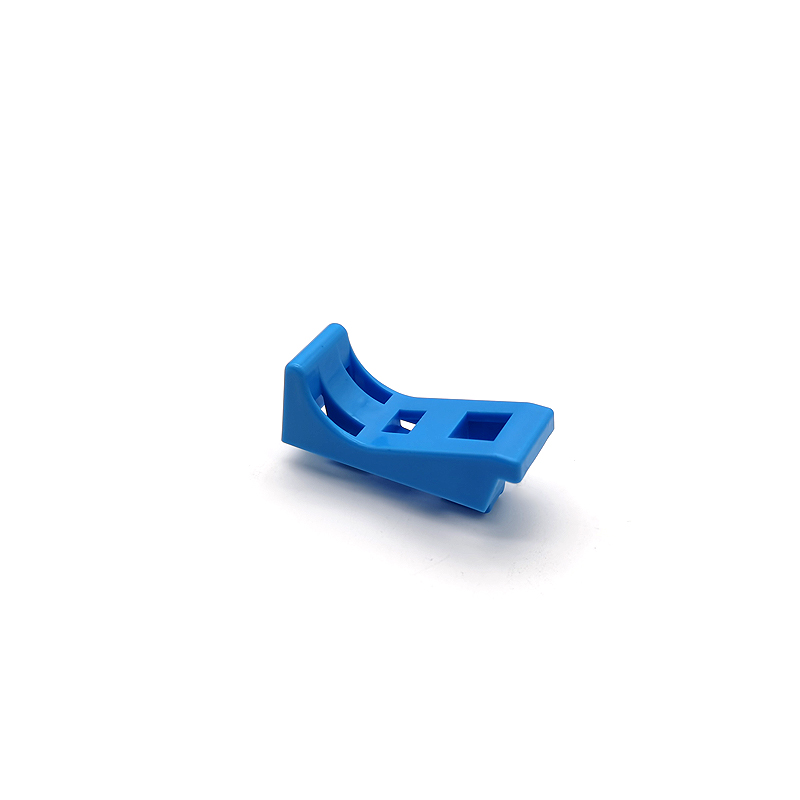
The thermoplastic nature of most materials used in injection molding enables multiple recycling cycles, supporting circular economy principles while reducing environmental impact throughout the product lifecycle. Post-consumer and post-industrial plastic waste can be reprocessed into high-quality raw materials suitable for producing new plastic injection parts, creating closed-loop manufacturing systems that minimize virgin material consumption.
Advanced recycling technologies and material purification processes have improved the quality of recycled plastics to the point where they can often match the performance characteristics of virgin materials in many applications. This development has significant implications for manufacturers seeking to reduce their environmental footprint while maintaining product quality and performance standards.
The energy requirements for producing plastic injection parts are generally lower than those associated with metal fabrication processes, particularly when considering the complete manufacturing cycle from raw material production through final part completion. The relatively low processing temperatures required for most thermoplastics, combined with efficient heating systems and thermal management in modern injection molding equipment, result in reduced energy consumption per unit of production.
The lightweight nature of plastic components also contributes to reduced transportation costs and fuel consumption throughout the supply chain, while the corrosion resistance and durability of properly selected materials can extend product lifecycles, reducing the frequency of replacement and the associated environmental impact of manufacturing new components.
The injection molding industry continues to evolve through integration with cutting-edge technologies such as Industry 4.0 connectivity, artificial intelligence, and predictive analytics that enhance production efficiency while reducing waste and improving quality consistency. Smart manufacturing systems can optimize process parameters in real-time, predict maintenance requirements, and identify quality issues before they result in defective parts.
Additive manufacturing technologies are increasingly being integrated with traditional injection molding to enable rapid prototyping, conformal cooling channel creation in molds, and small-batch production of complex tooling components that would be difficult or expensive to produce through conventional machining processes.
Research and development in polymer science continues to introduce new materials with enhanced performance characteristics, including bio-based plastics derived from renewable feedstocks and biodegradable formulations that address end-of-life disposal concerns. These innovations expand the application possibilities for plastic injection parts while addressing environmental sustainability requirements increasingly demanded by consumers and regulations.
Nanotechnology integration in polymer formulations enables the development of materials with unprecedented combinations of properties, such as enhanced barrier properties, improved electrical conductivity, or self-healing capabilities that could revolutionize applications in packaging, electronics, and automotive industries.
Material selection for plastic injection parts should consider the operating environment, mechanical requirements, chemical exposure, temperature range, and regulatory compliance needs of the specific application. Key factors include tensile strength, impact resistance, chemical compatibility, thermal stability, and processing characteristics such as melt flow rate and shrinkage properties. Additionally, consider long-term material availability, cost implications, and any special requirements such as FDA approval for food contact applications or flame retardancy for electrical components.
Injection molding typically offers the best combination of cost-effectiveness and quality for medium to high-volume production runs, generally becoming economically advantageous at quantities above 1,000 to 10,000 parts depending on complexity. While initial tooling costs are higher than processes like 3D printing or machining, the per-unit cost decreases significantly with volume due to rapid cycle times and minimal labor requirements. Quality consistency is generally superior to other processes due to the controlled nature of the injection molding process and automated production cycles.
Critical design considerations include maintaining uniform wall thickness to prevent warping and sink marks, incorporating appropriate draft angles for easy part removal, designing generous radii at corners to reduce stress concentrations, and ensuring adequate venting for complete mold filling. Gate location and size significantly impact part quality and appearance, while consideration of parting line placement affects both aesthetics and functionality. Additionally, designing for moldability includes avoiding undercuts where possible or incorporating features that enable automated demolding.
Consistent quality in high-volume production requires implementing comprehensive process monitoring and control systems that track critical parameters such as injection pressure, temperature profiles, cycle times, and cooling rates. Statistical process control techniques help identify trends before they result in quality issues, while regular preventive maintenance ensures equipment operates within optimal parameters. Material handling and storage procedures prevent contamination and moisture absorption that could affect part quality, and comprehensive quality inspection protocols at appropriate intervals throughout production runs help maintain standards.

 EN
EN