Manufacturing industries constantly seek methods to optimize production costs while maintaining quality standards. The strategic implementation of plastic injection parts has emerged as a transformative approach for businesses aiming to achieve cost-effective production processes. This manufacturing technique offers unprecedented opportunities for reducing operational expenses, improving product consistency, and scaling production volumes efficiently. Understanding the nuanced benefits and applications of plastic injection molding enables manufacturers to make informed decisions that directly impact their bottom line.
Injection molding processes demonstrate exceptional material efficiency compared to traditional manufacturing methods. The closed-loop system ensures minimal material waste during production, as excess plastic can be recycled and reintegrated into subsequent production cycles. This circular approach significantly reduces raw material costs over time, particularly when manufacturing high-volume orders where even small percentage improvements translate to substantial savings.
The precision control inherent in injection molding allows manufacturers to use exact quantities of materials required for each component. Advanced molding machines can calculate optimal material usage patterns, preventing overuse and ensuring consistent part weights. This level of control becomes increasingly valuable when working with specialized or expensive polymer materials, where waste reduction directly correlates to cost savings.
Automated injection molding systems require minimal human intervention once properly configured and calibrated. A single operator can typically oversee multiple molding machines simultaneously, dramatically reducing labor costs per unit produced. This automation advantage becomes more pronounced during extended production runs, where consistent output quality and speed are maintained without additional staffing requirements.
The standardized nature of injection molding processes also reduces the need for highly specialized technicians throughout most production phases. Basic machine operation and quality control procedures can be efficiently taught to manufacturing personnel, eliminating the premium labor costs associated with highly skilled craftspeople required by alternative manufacturing methods.
Selecting appropriate polymer materials represents a critical factor in achieving cost-effective plastic injection parts production. Different polymers offer varying cost structures, processing requirements, and performance characteristics that must align with specific application demands. Thermoplastics like ABS, polypropylene, and nylon each present unique advantages depending on mechanical strength requirements, environmental conditions, and aesthetic considerations.
Cost optimization often involves balancing material expenses with processing efficiency and end-product performance. Higher-grade polymers may command premium prices but could reduce overall production costs through improved flow characteristics, reduced cycle times, or enhanced durability that eliminates costly warranty claims. Comprehensive material analysis ensures that initial material investments align with long-term production economics.
Incorporating recycled plastic content into injection molding processes offers substantial cost reduction opportunities while supporting sustainable manufacturing practices. Many applications can successfully utilize blends containing significant percentages of recycled materials without compromising functional requirements. This approach reduces virgin material consumption and often provides cost savings ranging from fifteen to thirty percent compared to pure virgin polymer alternatives.
Modern recycling technologies have improved the quality and consistency of recycled plastic feedstock, making integration more predictable and reliable. Manufacturers can develop standardized blending ratios that maintain consistent part quality while maximizing recycled content usage. Careful quality control protocols ensure that recycled material integration does not compromise the mechanical or aesthetic properties required for specific applications.
Understanding the relationship between production volumes and unit costs is essential for maximizing the economic benefits of plastic injection parts manufacturing. Initial tooling investments create fixed costs that are amortized across the total production quantity, meaning higher volumes result in lower per-unit tooling expenses. Most injection molding projects achieve optimal cost efficiency when production quantities exceed several thousand units, though specific thresholds vary based on part complexity and tooling requirements.
Detailed financial modeling helps identify the precise volume ranges where injection molding becomes more economical than alternative manufacturing methods. These analyses must consider not only direct production costs but also factors such as inventory carrying costs, quality consistency benefits, and potential for future volume increases. Strategic production planning can optimize order timing and quantities to maximize cost advantages.
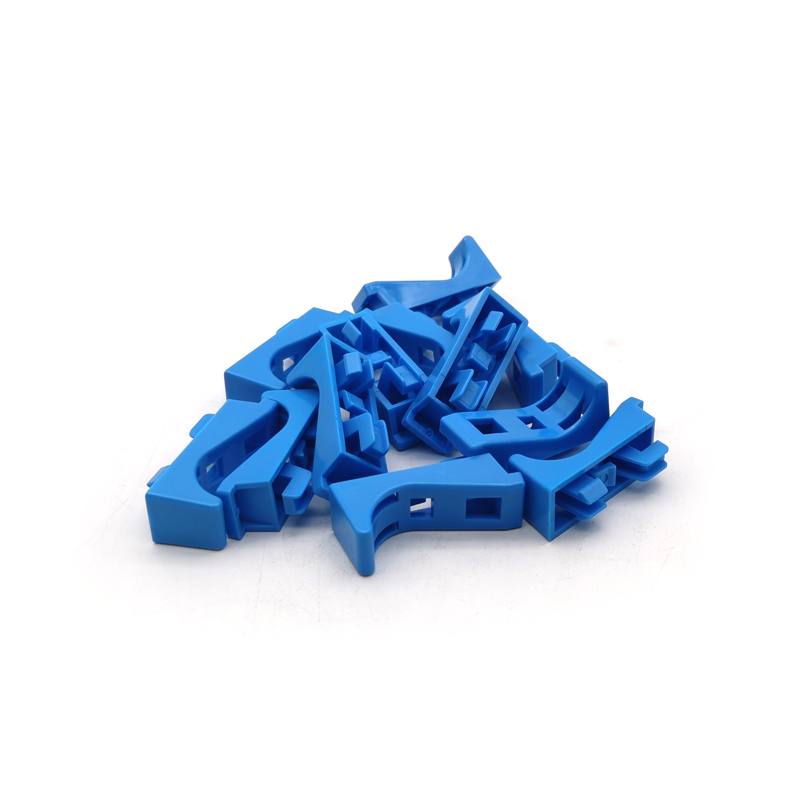
Multi-cavity mold designs enable simultaneous production of multiple identical parts during each injection cycle, dramatically improving production efficiency and reducing per-unit costs. While multi-cavity tooling requires higher initial investments, the increased output capacity often justifies these expenses for medium to high-volume applications. Proper cavity balancing ensures consistent part quality across all positions while maximizing machine utilization.
Advanced multi-cavity designs can incorporate family molding concepts, where different but related components are produced simultaneously in a single mold. This approach optimizes tooling investments for product lines requiring multiple related plastic injection parts, enabling efficient production scheduling and reduced setup times between different component runs.
Implementing robust statistical process control systems enables manufacturers to maintain consistent quality standards while minimizing waste and rework costs. Real-time monitoring of critical parameters such as injection pressure, temperature profiles, and cycle times allows immediate identification and correction of process variations before they result in defective parts. This proactive approach prevents costly production interruptions and reduces material waste associated with scrapped components.
Modern injection molding equipment incorporates sophisticated sensors and data logging capabilities that facilitate comprehensive quality tracking and analysis. Historical data collection enables identification of optimal processing windows and helps predict maintenance requirements before equipment failures occur. Preventive maintenance scheduling based on actual usage data reduces unexpected downtime costs and extends equipment service life.
Achieving precise dimensional accuracy through injection molding eliminates secondary machining operations that would otherwise add significant costs to component production. Modern molding techniques can routinely achieve tolerances within several thousandths of an inch, meeting requirements for many precision applications without additional processing steps. This capability becomes particularly valuable for complex geometries that would be expensive to machine using traditional methods.
Careful mold design and process optimization ensure that dimensional consistency is maintained throughout extended production runs. Temperature control systems, pressure monitoring, and automated part ejection mechanisms all contribute to maintaining tight tolerances while minimizing operator intervention. Consistent dimensional accuracy reduces assembly costs and improves overall product reliability.
Developing strategic partnerships with reliable material suppliers enables manufacturers to optimize plastic injection parts production costs through volume purchasing agreements, consistent material quality, and predictable pricing structures. Long-term contracts often provide price stability that facilitates accurate cost forecasting and competitive pricing strategies. Supplier relationships also support technical collaboration for material selection optimization and processing improvement initiatives.
Geographic proximity to key suppliers can reduce transportation costs and lead times, enabling more flexible inventory management and reduced working capital requirements. Local supplier networks also provide enhanced technical support and faster response times for addressing quality issues or material specification changes. Strategic sourcing decisions should balance cost considerations with supply chain reliability and technical support capabilities.
The rapid production capabilities of injection molding support just-in-time manufacturing strategies that minimize inventory carrying costs while maintaining responsive customer service. Short cycle times and predictable production schedules enable manufacturers to produce components based on actual demand rather than forecasted requirements. This approach reduces working capital tied up in finished goods inventory while minimizing the risk of obsolete stock.
Flexible production scheduling capabilities allow manufacturers to optimize machine utilization across multiple product lines and customer requirements. Quick changeover procedures between different plastic injection parts enable efficient production of smaller batch sizes when market conditions demand increased flexibility. This adaptability provides competitive advantages in markets with fluctuating demand patterns or customization requirements.
The break-even point for injection molding typically occurs between 1,000 and 10,000 units, depending on part complexity and tooling costs. Simple parts with basic tooling may become cost-effective at lower volumes, while complex components requiring sophisticated molds need higher quantities to justify the initial investment. Detailed cost analysis considering tooling expenses, material costs, and alternative manufacturing methods helps determine the optimal volume threshold for specific applications.
Material selection significantly influences both direct costs and processing efficiency in injection molding operations. While premium polymers may cost more initially, they often provide better flow characteristics that reduce cycle times and improve part quality. Additionally, materials with better thermal stability may enable higher processing temperatures that further reduce cycle times. The key is balancing material costs with processing efficiency and end-product performance requirements.
Yes, incorporating recycled plastic content can reduce material costs by 15-30% while maintaining acceptable quality levels for many applications. Modern recycling technologies produce consistent, high-quality recycled feedstock suitable for injection molding. Successful integration requires careful quality control and may involve blending recycled content with virgin materials to achieve optimal performance characteristics. The percentage of recycled content depends on specific application requirements and quality standards.
Key considerations include production capacity, quality certifications, technical expertise, geographic location, and cost structure transparency. Partners should demonstrate experience with similar applications and materials, maintain appropriate quality management systems, and provide comprehensive technical support throughout the project lifecycle. Financial stability and supply chain capabilities are also important factors for ensuring reliable long-term partnerships that support cost-effective production objectives.

 EN
EN