Surface defects in iron sand casting parts can significantly compromise product quality, functionality, and overall manufacturing efficiency. These defects not only affect the aesthetic appearance of cast components but can also lead to structural weaknesses, increased rejection rates, and substantial financial losses for foundries. Understanding the root causes of surface imperfections and implementing targeted prevention strategies is crucial for maintaining consistent quality standards in iron sand casting operations.
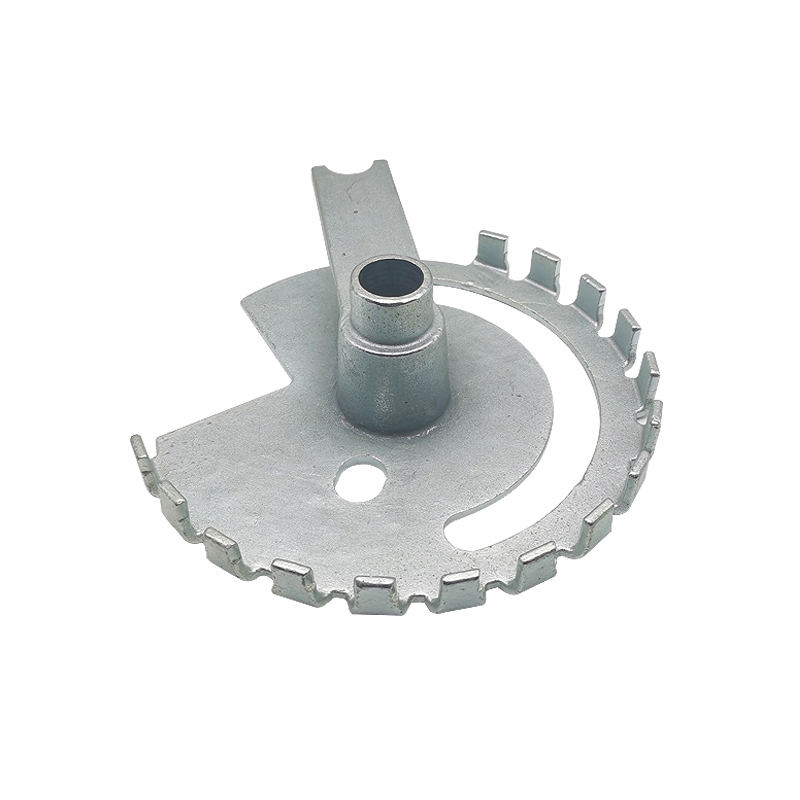
Preventing surface defects requires a comprehensive approach that addresses every stage of the casting process, from mold preparation to final cooling. Successful defect prevention in iron sand casting involves careful control of sand properties, proper gating system design, optimal pouring techniques, and systematic quality monitoring. By implementing proven prevention methods and maintaining strict process controls, foundries can achieve superior surface quality while reducing waste and improving production efficiency.
Sand burn represents one of the most frequent surface defects in iron sand casting, occurring when molten iron penetrates into the sand mold surface. This penetration creates a rough, grainy surface texture that is difficult to machine and compromises the final part quality. Sand burn typically develops when the sand lacks sufficient refractoriness or when the binder system fails to create an adequate barrier between the molten metal and sand grains.
Veining defects appear as raised lines or ridges on the casting surface, caused by sand expansion during the pouring process. When sand grains expand due to thermal shock, they can create cracks in the mold cavity that fill with molten iron. Prevention of veining requires careful selection of sand with appropriate thermal expansion characteristics and proper mold design that accommodates thermal movement.
Scabs and buckles form when portions of the mold face separate and lift away from the backing sand during casting. These defects create irregular surface protrusions that require extensive finishing work. The primary causes include insufficient mold strength, excessive moisture content, or inadequate ramming density in critical areas of the iron sand casting mold.
Cold shuts occur when two streams of molten iron meet but fail to fuse properly, creating visible seam lines on the casting surface. This defect often results from improper gating design, insufficient pouring temperature, or inadequate metal flow patterns within the mold cavity. Cold shuts significantly weaken the casting structure and create stress concentration points that can lead to failure under load.
Misruns appear as incomplete filling patterns where molten iron fails to reach all areas of the mold cavity, leaving unfilled sections or thin, weak areas. These defects typically stem from insufficient fluidity of the molten iron, restrictive gating systems, or premature solidification during filling. Proper prevention requires optimization of alloy composition, pouring temperature, and mold design parameters.
Surface porosity manifests as small holes or pits distributed across the casting surface, caused by gas entrapment during solidification. In iron sand casting, surface porosity often results from excessive moisture in the sand, inadequate venting, or chemical reactions between the molten iron and mold materials that generate gas.
Selecting appropriate base sand is fundamental to preventing surface defects in iron sand casting operations. Silica sand remains the most common choice due to its availability, thermal stability, and cost-effectiveness, but grain size distribution plays a critical role in surface quality. Fine sands produce smoother surfaces but may lack permeability, while coarse sands provide better venting but can create rough surface textures.
Sand conditioning involves controlling moisture content, clay levels, and organic additives to achieve optimal moldability and surface quality. Proper conditioning ensures uniform compaction, adequate green strength, and minimal gas generation during casting. Regular testing of sand properties, including clay content, moisture level, and compactability, helps maintain consistent conditions for quality iron sand casting production.
Thermal expansion characteristics of the sand system directly impact defect formation during casting. Sands with high thermal expansion coefficients are more prone to veining and dimensional instability. Adding materials like olivine sand or chromite sand can reduce thermal expansion and improve surface quality, particularly for large or complex iron sand casting components.
Clay bonding systems require careful balance between strength and permeability to prevent surface defects. Western bentonite clay provides superior bonding strength but may generate excess gas if moisture content is too high. Proper clay activation through mulling and controlled moisture addition ensures uniform distribution and optimal binding properties throughout the sand mixture.
Chemical binder systems offer improved dimensional accuracy and surface finish compared to clay-bonded sands. Furan resin binders provide excellent surface quality and reduced gas generation, making them ideal for critical iron sand casting applications. However, proper catalyst ratios and cure times are essential to prevent incomplete polymerization that can cause surface defects.
Coating applications provide additional protection against metal penetration and surface defects. Alcohol-based coatings containing refractory particles create a barrier layer that prevents sand burn and improves surface smoothness. Proper coating application technique, including uniform coverage and adequate drying time, is crucial for effective defect prevention in iron sand casting operations.
Effective gating system design is essential for preventing surface defects caused by turbulent metal flow or incomplete filling. The gating ratio, which defines the relative cross-sectional areas of sprue, runner, and ingates, must be optimized for the specific geometry and size of the iron sand casting. Pressurized gating systems with smaller ingates help maintain controlled filling and reduce turbulence-related surface defects.
Ingate positioning significantly affects surface quality by controlling where molten iron first contacts the mold cavity. Multiple ingates distributed around the casting help ensure uniform filling and minimize cold shut formation. The ingates should direct metal flow tangentially into the cavity to reduce erosion of the mold surface and prevent sand inclusion defects.
Runner and sprue design must accommodate the thermal and fluid dynamic requirements of iron sand casting while minimizing turbulence. Smooth transitions, adequate cross-sections, and proper tapers help maintain laminar flow and reduce the risk of surface defects caused by metal splashing or premature solidification during filling.
Adequate venting prevents gas-related surface defects by allowing trapped air and generated gases to escape during casting. Vent placement should focus on the highest points of the casting and areas where gases are likely to accumulate. Proper vent sizing ensures sufficient gas removal without allowing metal to flow into the venting system.
Sand permeability directly affects gas removal capability and surface quality in iron sand casting. Higher permeability generally improves gas venting but may compromise surface smoothness if achieved through excessive coarse sand content. Balancing permeability with surface quality requirements often involves optimizing sand grain size distribution and compaction techniques.
Chaplet and core venting require special attention in complex castings where internal cores may trap gases. Proper core design with integral venting channels helps prevent gas accumulation that can cause surface porosity or blow defects in adjacent casting surfaces.
Temperature control during melting and pouring is critical for preventing surface defects in iron sand casting. Optimal pouring temperatures ensure adequate fluidity for complete mold filling while avoiding excessive superheat that can cause sand burn or increased gas generation. Regular temperature monitoring with calibrated pyrometers helps maintain consistent thermal conditions for quality production.
Chemical composition control affects both castability and surface quality of iron castings. Proper silicon content improves fluidity and reduces the tendency for sand burn, while controlled carbon levels help achieve desired mechanical properties without compromising surface finish. Regular spectrographic analysis ensures alloy composition remains within specified ranges for optimal iron sand casting performance.
Pouring technique significantly impacts surface defect formation through its effect on metal flow patterns and mold filling dynamics. Consistent pouring rates, proper ladle design, and controlled stream characteristics help minimize turbulence and reduce the risk of cold shuts or inclusions that affect surface quality.
Humidity control in the molding area prevents excessive moisture absorption by sand molds, which can lead to gas generation and surface porosity. Maintaining relative humidity below 60% helps preserve sand properties and reduces the risk of moisture-related defects in iron sand casting operations.
Proper mold storage and handling procedures prevent damage to mold surfaces that can cause casting defects. Molds should be protected from moisture, dust, and physical damage during storage periods. Handling equipment and techniques must minimize vibration and impact that could disturb mold surface integrity before pouring.
Quality inspection protocols should include regular monitoring of sand properties, mold conditions, and casting results to identify trends that may indicate developing defect issues. Systematic data collection and analysis help identify process variations before they result in significant surface quality problems in iron sand casting production.
Effective defect prevention requires systematic analysis of surface quality issues to identify root causes and implement targeted corrections. Visual inspection should be combined with metallographic examination and dimensional analysis to fully characterize defect patterns and their relationship to process variables. Documentation of defect locations, frequencies, and associated process conditions helps establish corrective action priorities.
Statistical process control techniques help identify process variations that contribute to surface defect formation in iron sand casting. Control charts for key parameters like sand moisture, temperature, and chemical composition provide early warning of process drift that may lead to quality problems. Regular analysis of defect rates and their correlation with process variables supports continuous improvement efforts.
Root cause analysis methodologies, such as fishbone diagrams and failure mode analysis, help systematically evaluate all potential contributors to surface defect problems. This structured approach ensures comprehensive investigation and prevents overlooking subtle factors that may significantly impact casting surface quality.
Corrective action implementation should follow a systematic approach that addresses immediate defect causes while establishing long-term prevention strategies. Short-term corrections might include sand system adjustments, temperature modifications, or gating design changes, while long-term improvements focus on equipment upgrades, procedure refinements, and training enhancements.
Process optimization requires balancing multiple variables that affect surface quality in iron sand casting operations. Design of experiments methodology helps identify optimal parameter combinations while minimizing the number of trial castings required. This systematic approach reduces development time and ensures robust process settings that consistently produce high-quality surfaces.
Continuous improvement programs should incorporate lessons learned from defect analysis into standard operating procedures and training materials. Regular review and update of prevention strategies ensures that iron sand casting operations benefit from accumulated knowledge and evolving best practices in surface quality control.
The most effective additives for preventing sand burn include coal dust at 3-5% addition rates, which creates a reducing atmosphere and carbon barrier at the metal-mold interface. Olivine sand additions of 10-20% reduce thermal expansion and improve refractoriness. Chromite sand provides excellent thermal stability but is more expensive. Proper selection depends on casting size, complexity, and economic considerations for each specific iron sand casting application.
Pouring temperature directly influences several surface defect mechanisms in iron sand casting. Excessive temperatures above 1500°C can cause sand burn and increased gas generation, while temperatures below 1350°C may result in cold shuts and incomplete filling. The optimal temperature range of 1400-1450°C provides adequate fluidity while minimizing thermal damage to the mold surface and reducing defect formation risks.
Sand permeability is crucial for preventing gas-related surface defects by allowing trapped air and generated gases to escape during iron sand casting. Adequate permeability levels of 150-250 AFS units help prevent blow holes and surface porosity, while excessive permeability may compromise surface smoothness. Balancing permeability with surface quality requires optimizing sand grain distribution, compaction levels, and binder content for each specific application.
Identifying root causes requires systematic data collection including defect location mapping, process parameter tracking, and metallographic analysis of affected castings. Correlation analysis between defect occurrence and variables like sand moisture, pouring temperature, and mold age helps pinpoint contributing factors. Statistical process control methods and designed experiments provide objective evidence for determining primary causes and validating corrective actions in iron sand casting operations.

 EN
EN