La industria electrónica depende en gran medida de técnicas de fabricación de precisión para producir componentes que cumplan requisitos rigurosos de rendimiento y durabilidad. Entre estos procesos de fabricación, la fundición a presión de aluminio ha surgido como una tecnología fundamental, permitiendo la creación de piezas complejas, ligeras y eficientes térmicamente que alimentan los dispositivos electrónicos modernos. Este método de fabricación avanzado combina las excelentes propiedades de las aleaciones de aluminio con capacidades de moldeo de alta precisión, dando como resultado componentes que sobresalen en disipación de calor, blindaje electromagnético e integridad estructural. A medida que los dispositivos electrónicos siguen miniaturizándose mientras exigen un mayor rendimiento, el papel de la fundición a presión de aluminio se vuelve cada vez más crítico para ofrecer soluciones que satisfagan estos desafíos tecnológicos en evolución.
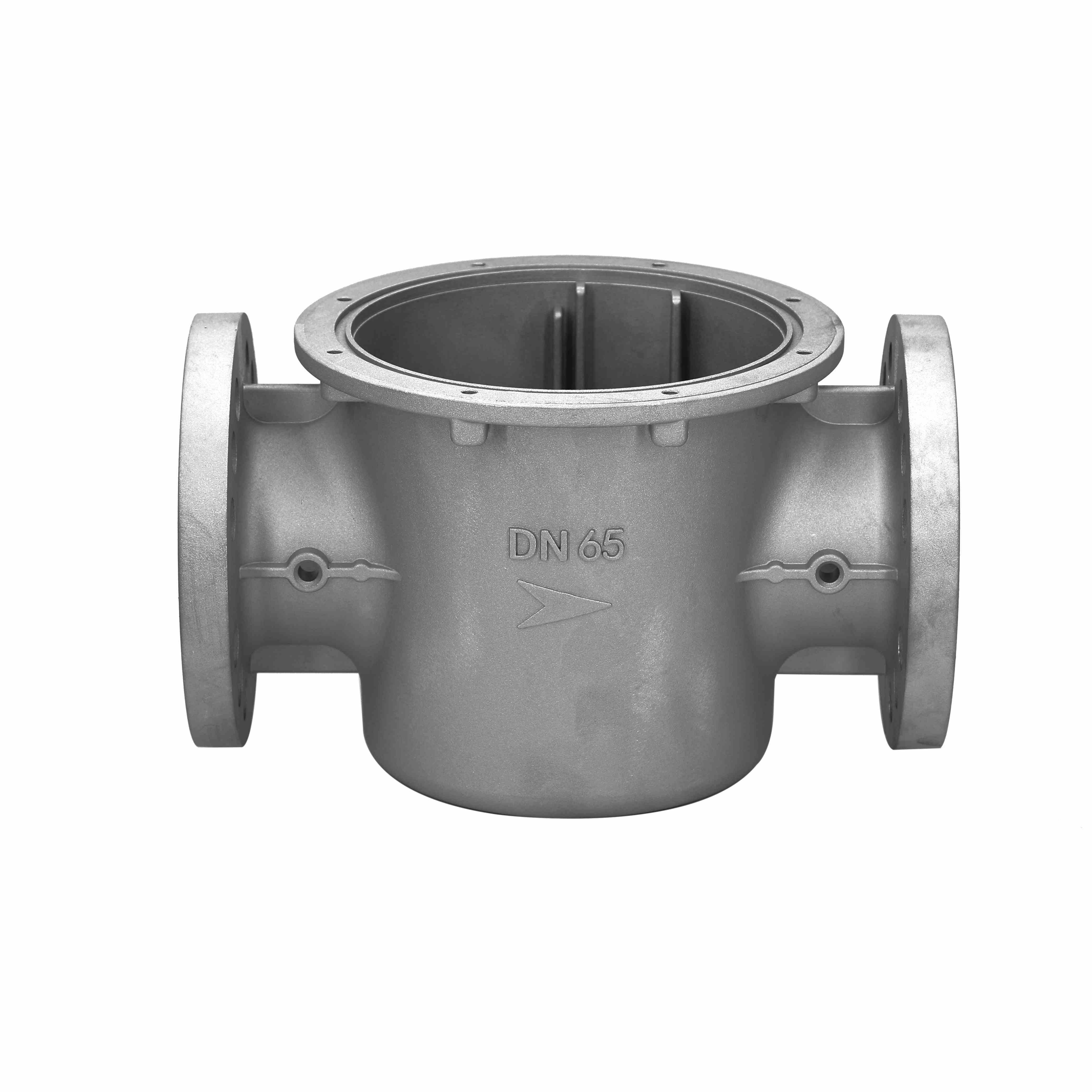
Los dispositivos electrónicos modernos generan cantidades considerables de calor durante su funcionamiento, lo que hace esencial una gestión térmica eficaz para garantizar un rendimiento fiable y una mayor durabilidad. Colada a Presión de Aluminio proporciona una solución ideal para crear disipadores de calor, placas térmicas y carcasas de refrigeración que transfieran eficientemente el calor lejos de los componentes electrónicos sensibles. La excelente conductividad térmica del aluminio, combinada con la precisión alcanzable mediante la fundición a presión, permite a los fabricantes crear diseños complejos de aletas y geometrías intrincadas que maximizan la superficie para la disipación del calor.
El proceso posibilita la producción de componentes con paredes delgadas y características detalladas que serían difíciles o imposibles de lograr mediante otros métodos de fabricación. Estas soluciones de gestión térmica son particularmente cruciales en aplicaciones de alta potencia, como sistemas de iluminación LED, convertidores de potencia y unidades de control electrónico automotriz, donde el exceso de calor puede provocar fallos en los componentes o una reducción del rendimiento.
Más allá de los disipadores de calor tradicionales, la fundición a presión de aluminio facilita la creación de sistemas de refrigeración integrados que combinan múltiples funciones en un solo componente. Estas soluciones avanzadas pueden incluir canales internos de refrigeración, elementos de montaje y puntos de conexión para otros componentes del sistema. La capacidad de fundir geometrías internas complejas permite a los diseñadores optimizar las trayectorias del flujo de refrigerante y maximizar la eficiencia de transferencia de calor, al mismo tiempo que se minimiza el tamaño y peso total del sistema.
Esta capacidad de integración es particularmente valiosa en aplicaciones como los sistemas de refrigeración de baterías de vehículos eléctricos, donde las limitaciones de espacio exigen soluciones de gestión térmica compactas pero altamente eficaces. La precisión del proceso de fundición a presión garantiza que los canales de refrigeración mantengan dimensiones y acabados superficiales consistentes, optimizando así el rendimiento de la dinámica de fluidos y la transferencia de calor durante toda la vida operativa del componente.
Los dispositivos electrónicos que funcionan en proximidad cercana a menudo experimentan interferencias de radiofrecuencia que pueden comprometer el rendimiento y la fiabilidad. La fundición a presión de aluminio ofrece una solución eficaz para crear recintos de blindaje contra interferencias electromagnéticas que protegen circuitos sensibles, al tiempo que mantienen las propiedades mecánicas y térmicas necesarias para un funcionamiento robusto. La conductividad eléctrica inherente del aluminio proporciona una excelente eficacia de blindaje en un amplio rango de frecuencias, lo que lo hace adecuado tanto para electrónica de consumo como para aplicaciones industriales críticas.
El proceso de fundición a presión permite la creación de carcasas continuas con ranuras integradas para juntas, elementos de montaje y aberturas para conectores que mantienen la integridad del apantallamiento al tiempo que proporcionan puntos de acceso necesarios. Esta capacidad es esencial en aplicaciones como equipos de telecomunicaciones, dispositivos médicos y electrónica aeroespacial, donde los requisitos de compatibilidad electromagnética son rigurosos e ineludibles.
Los sistemas electrónicos modernos requieren soluciones de apantallamiento que no solo ofrezcan protección electromagnética, sino que también desempeñen funciones estructurales dentro de la arquitectura general del dispositivo. La fundición a presión de aluminio permite la producción de componentes que combinan capacidades de soporte de carga con propiedades de apantallamiento electromagnético, reduciendo el número total de piezas y la complejidad del sistema. Estos componentes multifuncionales suelen incorporar características como insertos roscados, guías de alineación y elementos de refrigeración integrados.
La precisión alcanzable mediante la fundición a presión de aluminio garantiza que las dimensiones críticas y los acabados superficiales cumplan con los rigurosos requisitos tanto para el ajuste mecánico como para el rendimiento electromagnético. Esta doble funcionalidad es particularmente valiosa en dispositivos electrónicos portátiles, donde las limitaciones de espacio y peso exigen una eficiencia máxima de cada componente.
El mercado de electrónica de consumo exige carcasas que combinen atractivo estético con rendimiento funcional, durabilidad y rentabilidad. La fundición a presión de aluminio satisface estos requisitos al permitir la producción de recintos ligeros con paredes delgadas, excelente calidad de acabado superficial y estabilidad dimensional. El proceso admite geometrías complejas, incluyendo nervaduras internas, salientes de montaje y receptáculos para conectores, lo que elimina la necesidad de operaciones secundarias de ensamblaje.
Estas carcasas ofrecen una protección superior para los componentes internos al tiempo que proporcionan una excelente conductividad térmica que ayuda a mantener temperaturas de funcionamiento óptimas. La resistencia a la corrosión de las aleaciones de aluminio garantiza una durabilidad a largo plazo en diversas condiciones ambientales, lo que hace que las carcasas de aluminio moldeadas a presión sean adecuadas para aplicaciones electrónicas tanto en interiores como en exteriores. A los moldes de aluminio fundido se les pueden aplicar fácilmente tratamientos y acabados superficiales, proporcionando protección adicional y mejora estética.
Las aplicaciones electrónicas industriales requieren carcasas que soporten entornos de operación severos, manteniendo al mismo tiempo tolerancias dimensionales precisas y un rendimiento confiable durante una larga vida útil. La fundición a presión de aluminio ofrece soluciones robustas para paneles de control, carcasas de sensores y carcasas de equipos de comunicación que deben funcionar de manera confiable en condiciones desafiantes, incluyendo temperaturas extremas, vibraciones y exposición a productos químicos.
La integridad estructural alcanzable mediante la fundición a presión de aluminio garantiza que los recintos mantengan su función protectora incluso bajo esfuerzos mecánicos o cargas de impacto. Características internas como puntos de montaje para placas de circuito, sistemas de gestión de cables y elementos de ventilación pueden ser fundidas integralmente, reduciendo el tiempo de ensamblaje y mejorando la fiabilidad general del sistema. La precisión dimensional del proceso de fundición a presión asegura una adaptación y acabado consistentes en todas las series de producción, algo crítico para mantener estándares de calidad en aplicaciones industriales.
Los dispositivos electrónicos de potencia, como inversores, convertidores y controladores de motor, generan calor e interferencias electromagnéticas significativas que requieren soluciones de alojamiento especializadas. La fundición a presión de aluminio ofrece la combinación ideal de gestión térmica, blindaje electromagnético y soporte estructural necesaria para estas aplicaciones exigentes. La capacidad de integrar aletas de enfriamiento, elementos de montaje e interfaces de conectores dentro de una sola pieza fundida reduce la complejidad del sistema mientras optimiza el rendimiento.
Estas aplicaciones suelen requerir geometrías personalizadas optimizadas según criterios específicos de rendimiento térmico y eléctrico. La flexibilidad del proceso de fundición a presión permite a los ingenieros adaptar los diseños de los componentes para cumplir requisitos únicos de aplicación, manteniendo al mismo tiempo la relación costo-efectividad en producciones de volumen medio a alto. La excelente mecanizabilidad de las piezas fundidas a presión de aluminio posibilita operaciones precisas posteriores a la fundición para características críticas, como superficies de sellado e interfaces de montaje.
El creciente sector de energías renovables depende en gran medida de componentes electrónicos de potencia alojados en recintos de aluminio moldeados a presión, que deben soportar condiciones ambientales exteriores manteniendo al mismo tiempo un rendimiento eléctrico y térmico óptimo. Los inversores solares, los controladores de turbinas eólicas y los sistemas de gestión de baterías se benefician todas de las propiedades superiores del moldeo a presión de aluminio, incluyendo resistencia a la corrosión, conductividad térmica y eficacia en el blindaje electromagnético.
La fiabilidad a largo plazo es fundamental en aplicaciones de energía renovable donde el acceso para mantenimiento puede ser limitado y la interrupción del sistema resulta costosa. La fundición a presión de aluminio proporciona la durabilidad y resistencia ambiental necesarias para una vida útil prolongada, permitiendo al mismo tiempo la fabricación rentable de componentes complejos. La capacidad de incorporar múltiples funciones dentro de una sola pieza moldeada reduce los posibles puntos de fallo y simplifica el diseño del sistema y los procesos de ensamblaje.
Los vehículos modernos incorporan numerosos módulos electrónicos de control que deben funcionar de manera confiable en el entorno automotriz hostil, que incluye temperaturas extremas, vibraciones y exposición a productos químicos. La fundición a presión de aluminio ofrece soluciones de carcasa robustas para unidades de control del motor, controladores de transmisión y otros componentes electrónicos automotrices críticos que requieren una durabilidad y consistencia de rendimiento excepcionales. Las propiedades térmicas del aluminio ayudan a mantener temperaturas óptimas de funcionamiento para componentes electrónicos sensibles, mientras que la integridad estructural protege contra daños mecánicos.
Las aplicaciones automotrices requieren componentes que cumplan con estándares rigurosos de calidad y confiabilidad, a la vez que sean rentables para la producción en gran volumen. El proceso de fundición a presión permite la creación de carcasas complejas con características integradas de montaje, interfaces de conectores y superficies de sellado que garantizan un funcionamiento confiable durante toda la vida útil del vehículo. La naturaleza ligera del aluminio contribuye a la eficiencia general del combustible del vehículo, manteniendo al mismo tiempo la resistencia y durabilidad requeridas para aplicaciones automotrices.
La transición hacia vehículos eléctricos ha generado nuevas demandas para carcasas de componentes electrónicos que puedan manejar sistemas eléctricos de alta potencia, a la vez que ofrecen una gestión térmica eficaz y protección contra interferencias electromagnéticas. La fundición a presión de aluminio responde a estos requisitos al permitir la producción de carcasas ligeras y térmicamente eficientes para sistemas de gestión de baterías, controladores de carga y unidades de distribución de potencia. La excelente conductividad térmica del aluminio es particularmente valiosa en aplicaciones de vehículos eléctricos, donde la disipación eficaz del calor impacta directamente en la eficiencia del sistema y la duración de la batería.
La electrónica de los vehículos eléctricos suele operar a voltajes y niveles de potencia más altos que los sistemas automotrices tradicionales, lo que requiere una protección y aislamiento mejorados. El proceso de fundición a presión permite crear carcasas con paredes gruesas donde se necesita aislamiento eléctrico, al tiempo que mantiene secciones delgadas para optimizar el peso. Durante el proceso de fundición se pueden incorporar canales de refrigeración y elementos de montaje integrados, lo que reduce la complejidad del ensamblaje y mejora la fiabilidad general del sistema.
La industria de las telecomunicaciones requiere carcasas electrónicas que proporcionen protección confiable para equipos de infraestructura crítica, al tiempo que mantienen un rendimiento térmico y electromagnético óptimo. La fundición a presión de aluminio ofrece soluciones para componentes de estaciones base celulares, conmutadores de red y controladores de comunicación que deben operar continuamente en diversas condiciones ambientales. La excelente conductividad térmica y las propiedades de blindaje electromagnético del aluminio lo hacen ideal para aplicaciones de comunicación de alta frecuencia, donde la generación de calor y las interferencias son preocupaciones significativas.
Los equipos de telecomunicaciones a menudo requieren diseños personalizados de carcasas optimizados para entornos de instalación específicos y criterios de rendimiento. La flexibilidad de la fundición a presión de aluminio permite a los ingenieros crear soluciones adaptadas que integran múltiples funciones, incluyendo gestión térmica, blindaje electromagnético y protección mecánica, en componentes individuales. La precisión dimensional alcanzable mediante la fundición a presión garantiza el ajuste y alineación adecuados de los componentes internos, esencial para mantener el rendimiento y la fiabilidad del sistema de comunicación.
Los centros de datos exigen cajas para componentes electrónicos que maximicen la eficiencia térmica a la vez que reducen los requisitos de espacio y el consumo de energía. La fundición a presión de aluminio ofrece soluciones óptimas para componentes de servidores, equipos de red y unidades de distribución de energía que deben funcionar de manera confiable en instalaciones de alta densidad. Las superiores propiedades térmicas del aluminio permiten una disipación eficaz del calor en entornos con limitaciones de espacio, donde los métodos tradicionales de refrigeración pueden ser inadecuados.
La precisión alcanzable mediante la fundición a presión de aluminio garantiza que los componentes mantengan un rendimiento consistente en despliegues a gran escala, cumpliendo al mismo tiempo con rigurosos estándares de calidad. Características integradas como puntos de montaje, sistemas de gestión de cables y elementos de optimización del flujo de aire pueden incorporarse durante el proceso de fundición, reduciendo el tiempo de instalación y mejorando la eficiencia general del sistema. La naturaleza ligera de las piezas fundidas a presión de aluminio también reduce la carga estructural sobre los sistemas de bastidor y facilita la manipulación del equipo durante las operaciones de instalación y mantenimiento.
La fundición a presión de aluminio ofrece ventajas únicas para aplicaciones electrónicas, incluyendo una conductividad térmica excepcional, propiedades de blindaje electromagnético y la capacidad de crear geometrías complejas con tolerancias ajustadas en una sola operación. El proceso permite la integración de múltiples funciones, como disipación de calor, soporte estructural y protección electromagnética, dentro de componentes individuales, reduciendo la complejidad del ensamblaje y mejorando la fiabilidad general del sistema. Además, la excelente relación resistencia-peso y la resistencia a la corrosión del aluminio lo hacen ideal para aplicaciones electrónicas tanto de consumo como industriales.
La excelente conductividad térmica del aluminio, combinada con la precisión alcanzable mediante la fundición a presión, permite crear componentes de disipación de calor altamente eficientes con geometrías optimizadas. Diseños complejos de aletas, canales internos de refrigeración e interfaces térmicas integradas pueden ser moldeados directamente en los componentes, maximizando la eficacia de la transferencia de calor mientras se minimizan el tamaño y el peso. Esta capacidad es particularmente valiosa en aplicaciones como convertidores de potencia, sistemas de iluminación LED y electrónica para vehículos eléctricos, donde la gestión térmica impacta directamente en el rendimiento y la fiabilidad.
Sí, la fundición de aluminio por inyección proporciona una excelente eficacia de blindaje electromagnético en un amplio rango de frecuencias debido a la conductividad eléctrica inherente del aluminio. El proceso permite crear recintos herméticos con mínimas brechas o discontinuidades que podrían comprometer el rendimiento del blindaje. Características integradas, como ranuras para juntas y interfaces adecuadamente diseñadas, garantizan que la integridad del blindaje se mantenga en los puntos de conexión y aberturas de acceso, lo que hace que la fundición de aluminio por inyección sea adecuada para aplicaciones que requieren estándares rigurosos de compatibilidad electromagnética.
Aunque los costos iniciales de moldes para la fundición a presión de aluminio pueden ser más altos que algunos métodos alternativos de fabricación, el proceso ofrece ventajas significativas de costo a largo plazo para producciones de volumen medio a alto. La capacidad de crear componentes complejos con características integradas reduce las operaciones secundarias y los costos de ensamblaje, al tiempo que mejora la consistencia de calidad. La eficiencia del proceso de fundición a presión, combinada con la reciclabilidad del aluminio y la eliminación de desechos, contribuye a una mayor rentabilidad general. Además, la larga vida útil y la fiabilidad de los componentes de aluminio fundidos a presión reducen los costos de mantenimiento y reemplazo durante el ciclo de vida del producto.

 EN
EN